It's easy to approve the lovely gift photograph before settling every detail of the gift. Then a component changes, the photographed presentation box becomes unavailable, and the customer reaches a page that no longer matches what persuaded them to click.
The set may still be sellable. Its promise has changed. For a gift buyer, presentation is part of the purchase, so a seemingly small substitution can alter the proposition substantially. Your seasonal plan needs to connect the package, availability and delivery information, with a clear response when any part changes.
Decide exactly what the gift includes
Record the products, quantities, variants and presentation included. A variant is the selected shade, size or configuration. Separate the actual package from the props used to style its photograph, and say whether wrapping, messages and other options are included, optional or unavailable.
Think about the buying task as well as the occasion. Someone choosing a familiar product for another person needs different information from someone considering an unfamiliar set. Naming the occasion doesn't tell you what the buyer knows about the recipient's preferences.
Be specific without promising universal suitability. You can explain contents and documented product information without calling the set perfect for everyone in a broad demographic group. A clear description gives a shopper something to judge. An all purpose gifting slogan leaves them guessing about the things that matter.
Know which component can change the offer
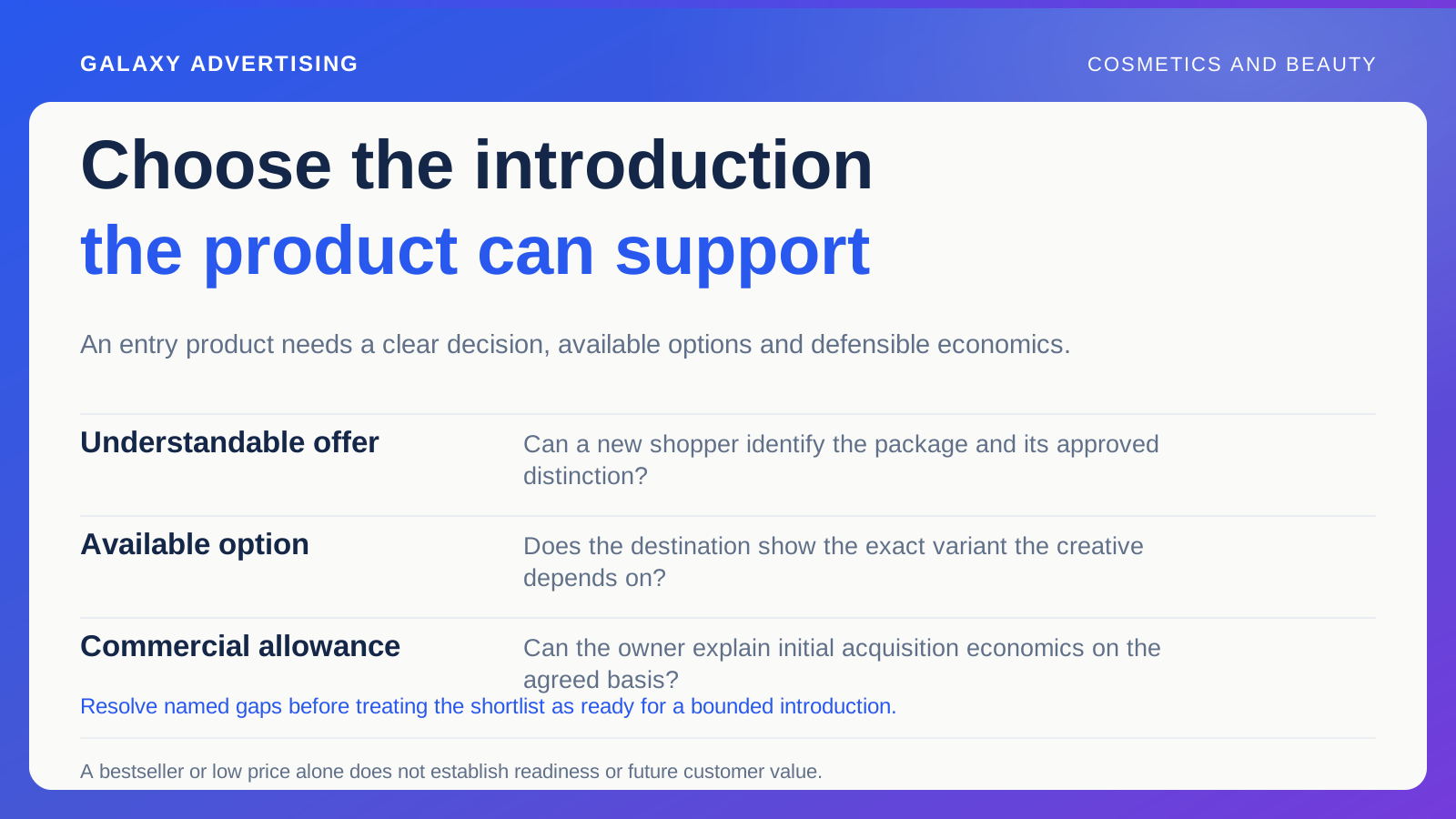
Give the set a clear component record and name the owner of availability for each item. The overall set status can hide a shortage in one shade, size or element of the presentation. “Available” needs to describe the package you're actually promoting.
Agree what happens if a component changes. Does promotion pause? Does it become a different, clearly described package? Can it stay available with an explicit customer choice? Base the answer on the real commercial offer, rather than leaving an editor to invent it in a caption afterwards.
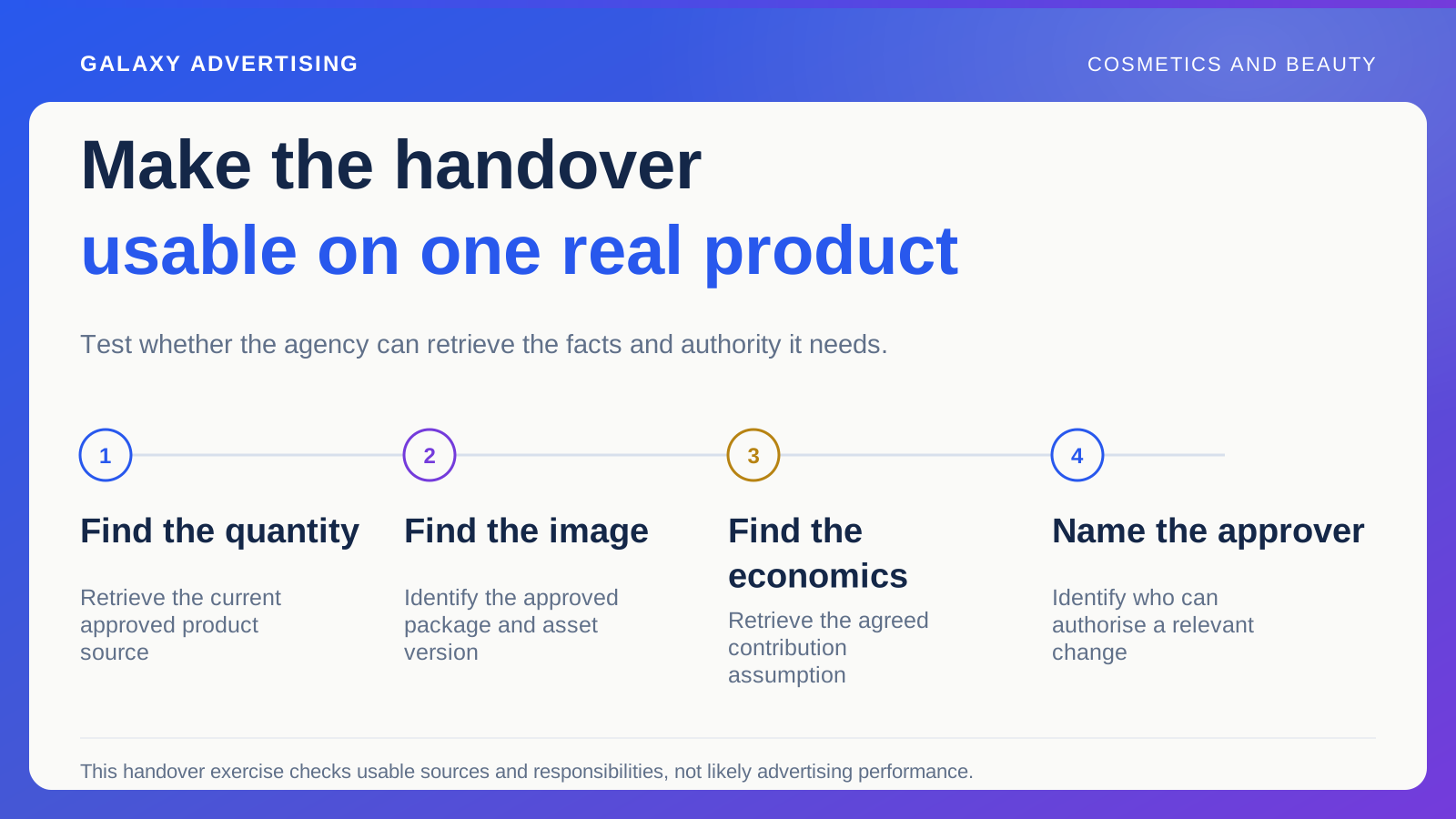
Connect stock decisions with the person who can retire or revise promotional material promptly. Updating product data may be necessary, but it doesn't make an obsolete photograph accurate. Check whether the assets need replacing too, and give somebody responsibility for that part of the change.
Separate browsing time from delivery deadlines
Customers may research gifts before they're ready to order. Give them useful information about contents, presentation and the purchase process during that exploration. Every early message doesn't need to demand an immediate purchase. Sometimes the buyer simply needs to understand the gift.
Later messages may need verified delivery timing. Use the actual service and applicable conditions, rather than copying last season's promise. A deadline should reflect current operations and the relevant destination. The marketing calendar alone can't establish what you can deliver.
Keep an owner for updates. Under seasonal pressure, advertising, banners and customer responses can change at different times and leave contradictory messages live. One approved source helps, provided someone also checks that each customer facing output has caught up. Approval isn't the same thing as an update being visible.
Photograph what will arrive
Use the final approved configuration wherever possible. If you must begin production before the package is settled, record that uncertainty. Don't approve the result prematurely as a final factual reference just because the production timetable is moving.
Make scale and components understandable. An attractive arrangement can hide quantity or make a miniature appear larger than it is. Shoppers should be able to find the product facts without having to read decorative photography as though it were a specification.
Keep optional extras visibly distinct. Elaborate wrapping in a campaign scene shouldn't make an optional gift wrap service appear included. Review the impression of the whole scene as well as the caption. A technically accurate sentence can still sit beside an image that creates the wrong expectation.
Give a sold out gift a sensible next step
If alternatives exist, explain meaningful differences in contents, price, presentation and available variants. Sending a disappointed buyer into a random collection without explanation leaves them to reconstruct the buying decision for themselves.
Only describe a replacement as equivalent when the relevant facts support it. A different shade or product combination may matter to the recipient even when the retail price is similar. Similar prices don't settle the question of suitability.
When planning next season, treat interest in unavailable gifts cautiously. It can identify questions worth investigating, but it doesn't prove how many you would have sold. Keep observed enquiries, recorded requests and speculative demand separate. Each tells you something different about the opportunity.
Judge the package that was actually sold
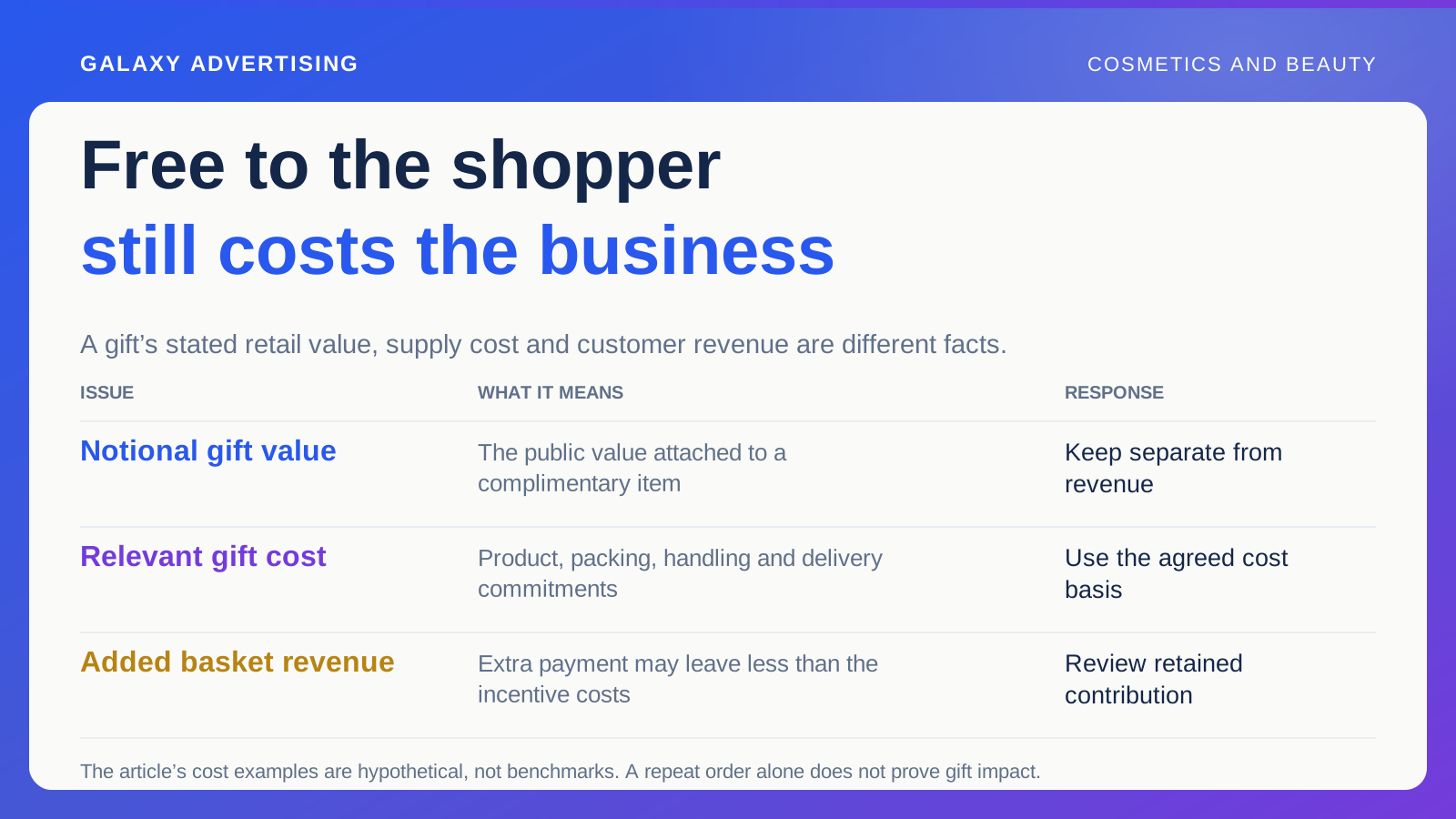
Assess the set using its real contents and relevant costs. Include packaging, promotional additions, discounts and fulfilment on the basis your business has agreed. A strong selling price can still leave disappointing contribution, the money remaining after the costs included in the calculation.
Take a hypothetical gift package selling for £60. It might require more packing time and presentation materials than an ordinary £60 basket. That isn't a claim about a typical cost difference. It shows why equal revenue doesn't establish equal commercial value.
Review changes to product mix during the campaign. Substitutions and promotions can change the package, so don't treat the whole season as one unchanged offer. Keep a version history to explain what was being sold when each result occurred.
Give customer service the same package reference production uses. If a buyer asks whether the presentation box is included, the answer should come from the approved offer, rather than someone's reading of the photograph. That handover helps prevent conflicting descriptions during the busiest period.
Decide when the seasonal promise ends
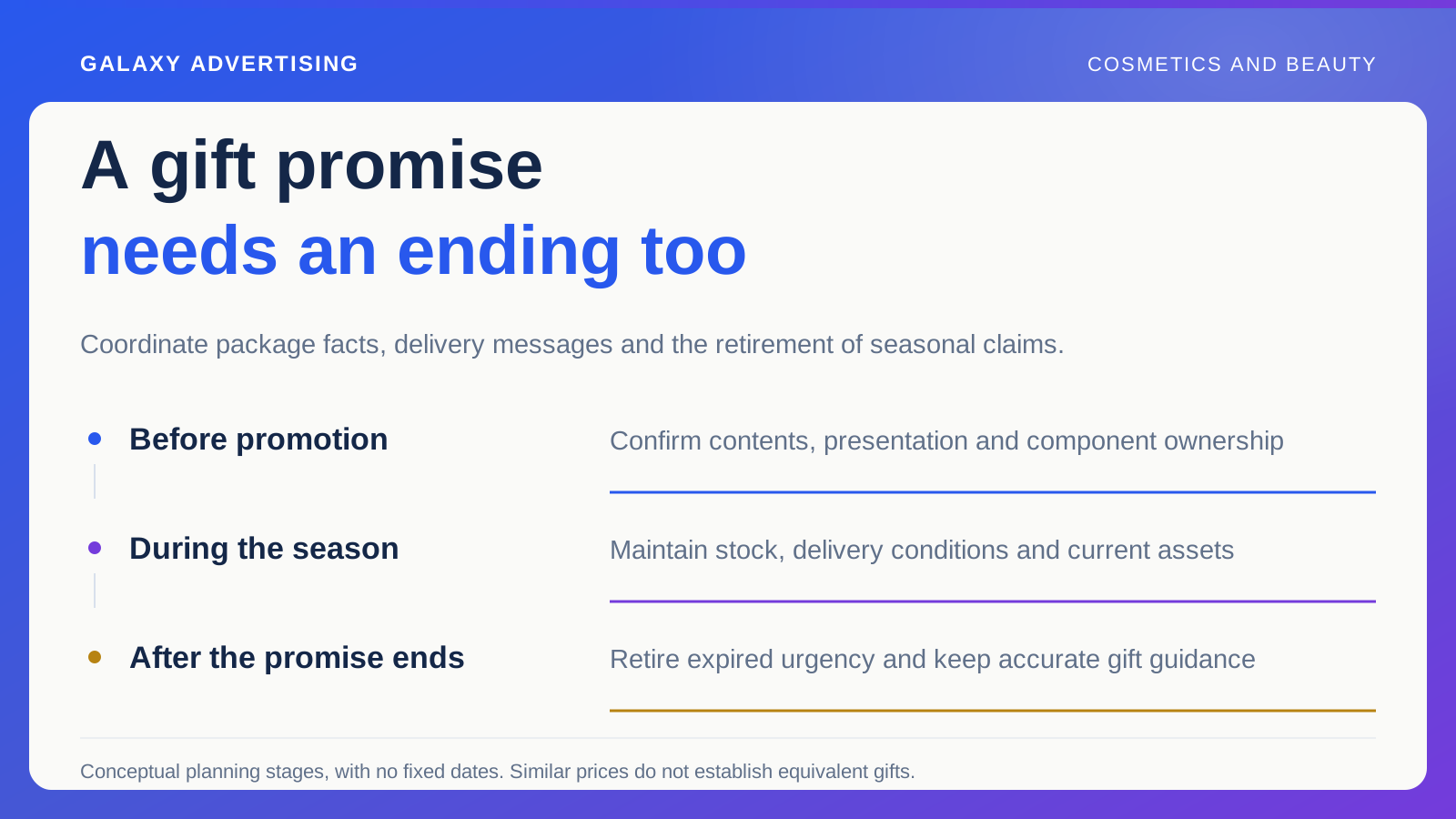
Assign ownership for retiring seasonal references, deadlines and obsolete packages before the rush. Relying on somebody to remember every live asset afterwards leaves too much to chance. The ending needs a plan as much as the launch.
Keep gifting information that remains useful and accurate, while removing claims whose conditions have ended. If a set continues as an ordinary range item, give it a coherent current description instead of leaving expired urgency attached.
The useful memory of a season is specific: which components constrained the offer, which questions customers asked and which promises proved difficult to maintain. That gives the next plan more to work with than “start earlier”. A gift needs to remain understandable and deliverable for its whole commercial life, not only look complete in the launch photograph.