What if your next structured data update simply gives search systems a clearer description of a confused sofa offer? The photograph shows one colour, the selected option names another and the supplied price belongs to the smallest configuration.
Adding machine readable product information cannot make those three things agree. First settle product identity, including what belongs to the family and what changes with the customer’s selection.
A variant is the selected size, colour or configuration. Technical representation needs to follow that distinction, rather than attempt to repair an unclear catalogue model after the page is built.
Agree what the family and each purchasable option mean
List the attributes distinguishing your available options. Colour, size, finish and included components can create meaningful differences. An internal merchandising label may not explain those relationships to another system, however familiar it looks to your team.
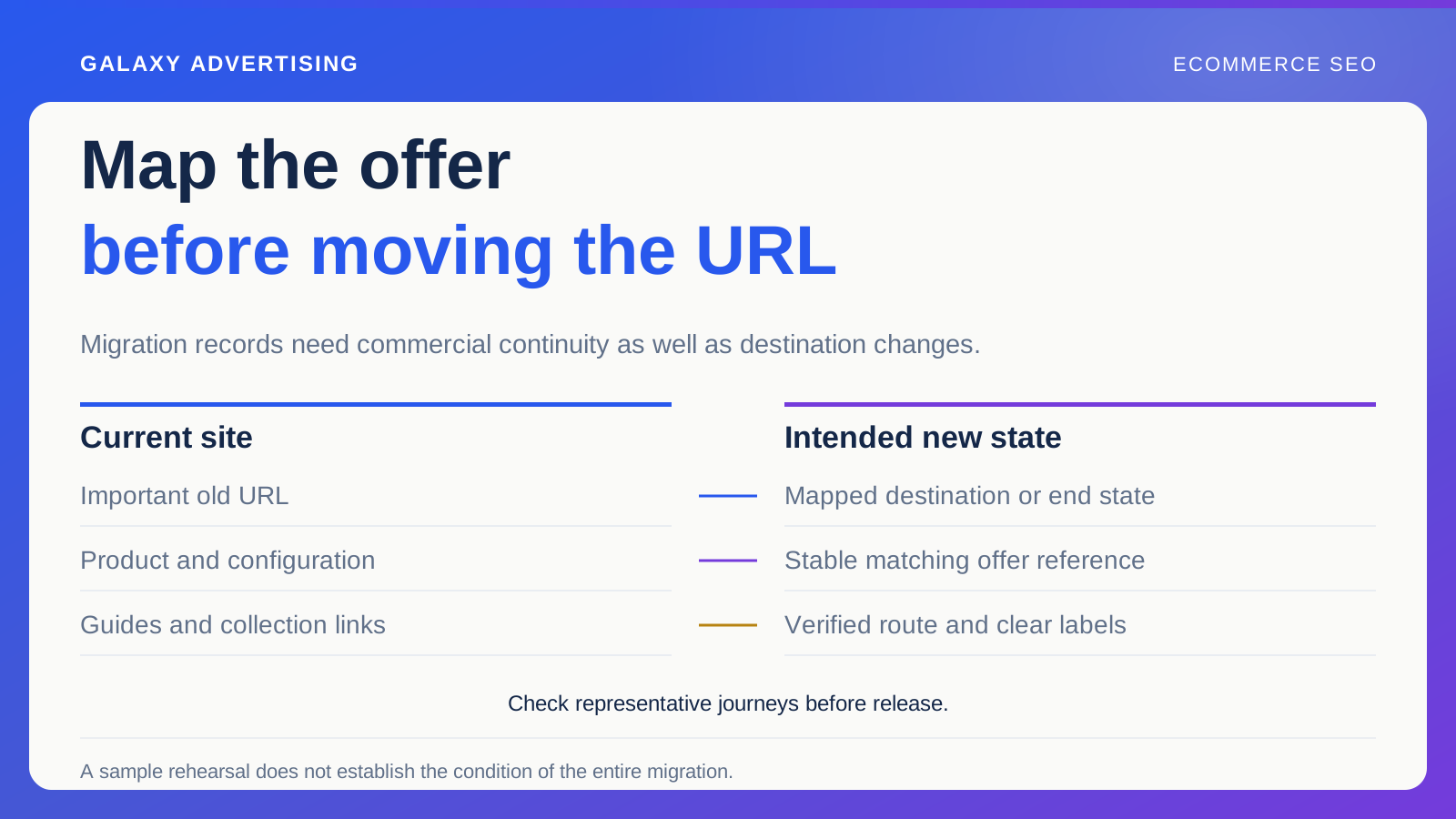
Use stable item references and document how they relate. The people maintaining the page, product source and technical implementation should be able to identify the same configuration without relying on names that merely look similar.
Avoid assuming every visual variation is separately purchasable, or that one general record can represent every purchasable configuration. Inspect the actual commercial arrangement. Ask the relevant specialists to model it accurately for the systems you use.
Look at what changes when the customer makes a selection
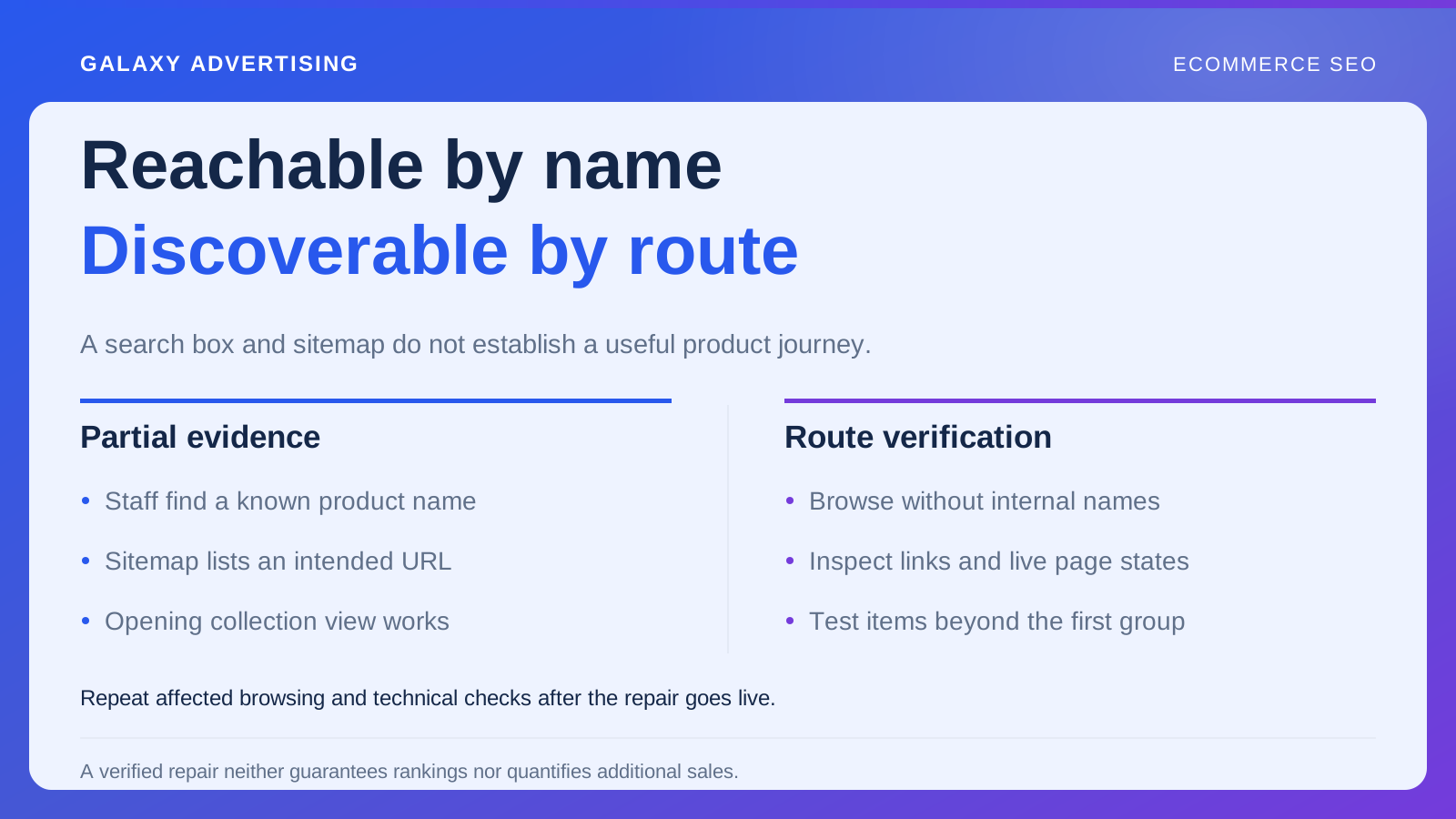
Open representative options. Check the picture, title, price, availability and included package, then confirm the selection stays understandable through ordinary interactions. You are reviewing the offer the customer can see, rather than the record you intended to show.
For a hypothetical sofa family, selecting a larger arrangement should not leave someone guessing whether the dimensions describe it or the default model. The image can remain unchanged in some circumstances. The page still needs to explain the selected choice clearly.
Include a phone in the review. Controls and labels that are clear on a large monitor may become ambiguous in a narrow layout. Give the technical team reproducible steps and an example, rather than a general instruction to make variants better.
Separate family facts from facts that change by option
A material description may apply across the family while price, availability and dimensions differ. Record the source responsible for each fact and where that fact should appear. Make the relationship explicit enough for another person to follow.
That helps prevent a change to one option spreading incorrectly to the rest. When the supplier sends an update, the team can identify configurations that need checking instead of rewriting everything from uncertain memory.
Keep the exceptions visible. Optional components and different packages can change what arrives even when the main product name stays familiar. Resolve that distinction in the product record before asking a writer or developer to communicate it on the page.
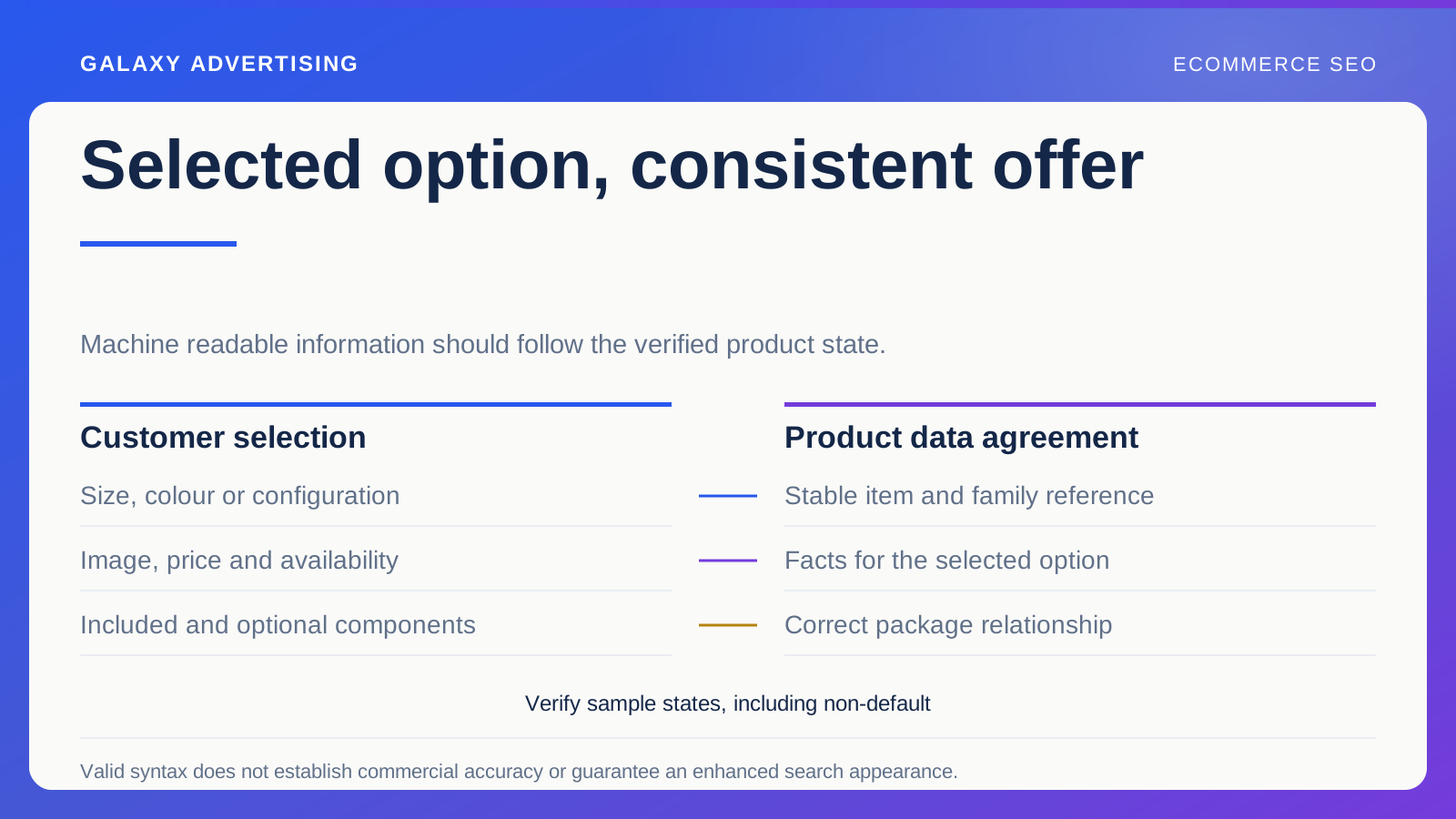
Make the structured data describe the verified offer
Google’s official product variant guidance describes using ProductGroup with Product information to communicate relationships between variations. Follow the current documentation and your actual website architecture when implementing it. The representation needs to suit the site you operate.
Ask the technical owner to show how the supplied information agrees with the visible selected state. Passing a syntax check does not establish that a configuration, price or availability value is commercially correct. Validly written information can still describe the wrong offer.
Keep eligibility for enhanced search presentation separate from a guarantee that it will appear. Do not approve inaccurate data in expectation of a richer result. A truthful offer you can maintain is the first requirement, whatever appearance a search system ultimately chooses.
Follow the route to a particular option
Check how someone arriving at a relevant URL recognises the configuration they intended to investigate. Where your site supports a configuration specific route, confirm it behaves consistently with that intended selection. The address and opening state need to work together.
Where the architecture uses one shared page, establish how the relevant states are represented and whether implementation aligns with current primary guidance. Another shop’s URL structure is not sufficient reason to invent one for yours.
The technical solution can differ while the commercial requirement stays clear. A visitor needs to know which option is being described and how to assess it. Review technical decisions against that requirement as well as the platform documentation.
Let the awkward cases challenge the implementation
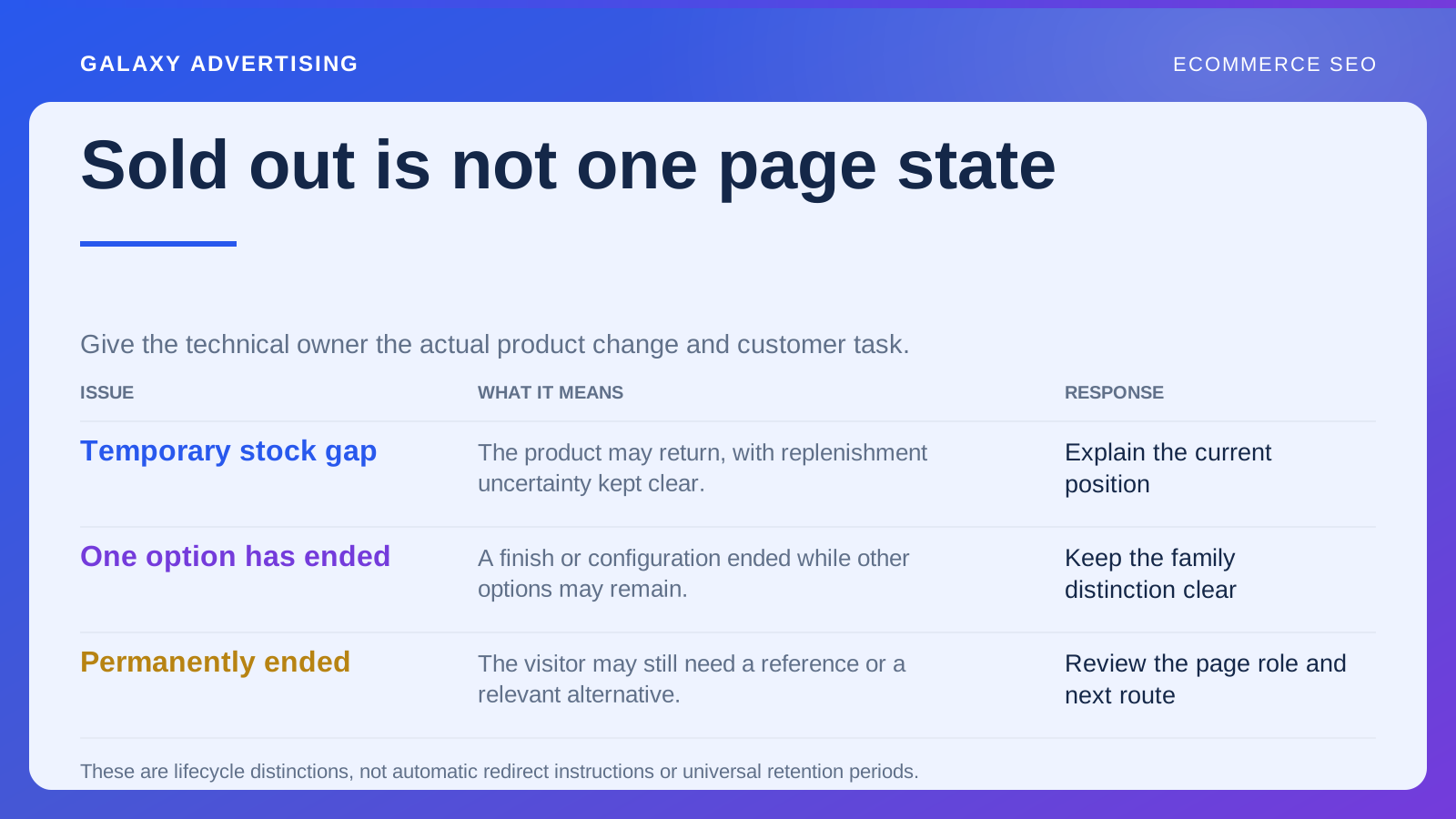
Include different prices, unavailable options and packages with optional components in your sample. These can reveal assumptions that a straightforward default configuration leaves untouched. A successful default check is a limited piece of evidence.
Trace mismatches back to the source. Altering an output further downstream may hide the problem until the next synchronisation restores it. Assign ownership of the underlying fact and verify that its correction reaches both the page and relevant data.
Keep a concise record of item references tested and expected results. Another person should be able to reproduce the review without the original implementer talking them through every choice manually.
Ask the release reviewer to begin with an option other than the default. It can expose assumptions in a page or data template built around the first configuration. Use the same product references to verify that state. This targeted diagnostic check cannot prove every variant is correct, but it can show where broader sampling needs strengthening.
Make option accuracy part of everyday catalogue changes
Agree the process when a configuration is added, removed or renamed. Product, website and data owners should know which outputs to verify after a material change. That responsibility needs to survive ordinary catalogue work.
Do not save the checks for a major SEO project. Routine updates can introduce inconsistencies affecting both the customer’s choice and information supplied to discovery systems. A small dependable release check can be more useful than commissioning another broad audit once errors accumulate.
When the family, selected configuration and supplied data agree, shoppers have a clearer buying route and specialists a more dependable basis for search work. Another layer of markup cannot supply that agreement on its own. The offer has to make sense first.