A shopper adds an electric bike to the basket, checks the price and leaves without ordering. Your team suggests simplifying checkout. Yet the shopper could still be trying to establish the cost of a configuration or understand which equipment comes with it.
A checkout change might fix a real fault. First, follow the actual decision and separate reproducible problems from unanswered buying questions and operating constraints. You're aiming for a suitable, intelligible purchase, rather than removing every pause from a product that can legitimately require consideration.
Reproduce a fault before discussing the redesign
Check the ordinary buying route on relevant devices. Record problems the team can demonstrate: an unavailable selection, inconsistent price or broken payment step needs a clear reproduction record. Make the defect inspectable rather than leaving it as a general concern.
Include the item reference, device and sequence that produces the issue. Saying customers cannot buy gives a developer little to work with. A specific record helps them locate the behaviour you're asking them to repair.
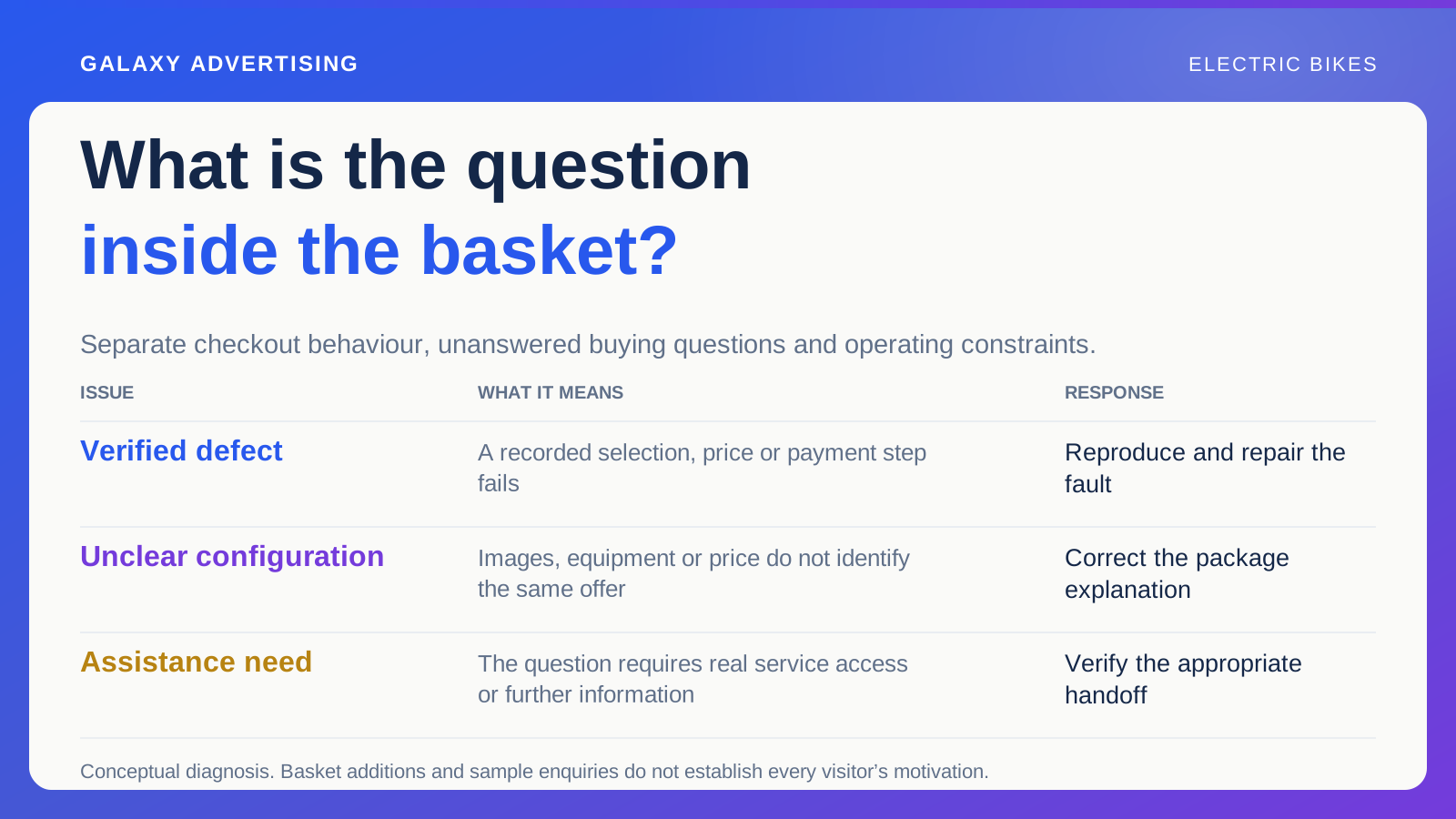
Separate demonstrated faults from persuasion hypotheses. A verified defect needn't wait for a large creative debate. Equally, a functioning checkout doesn't establish that the offer is clear. Your audit can propose repairs and investigation together, provided their different evidence remains visible. Don't make one diagnosis stand in for the other.
Rebuild the promise from the real entry point
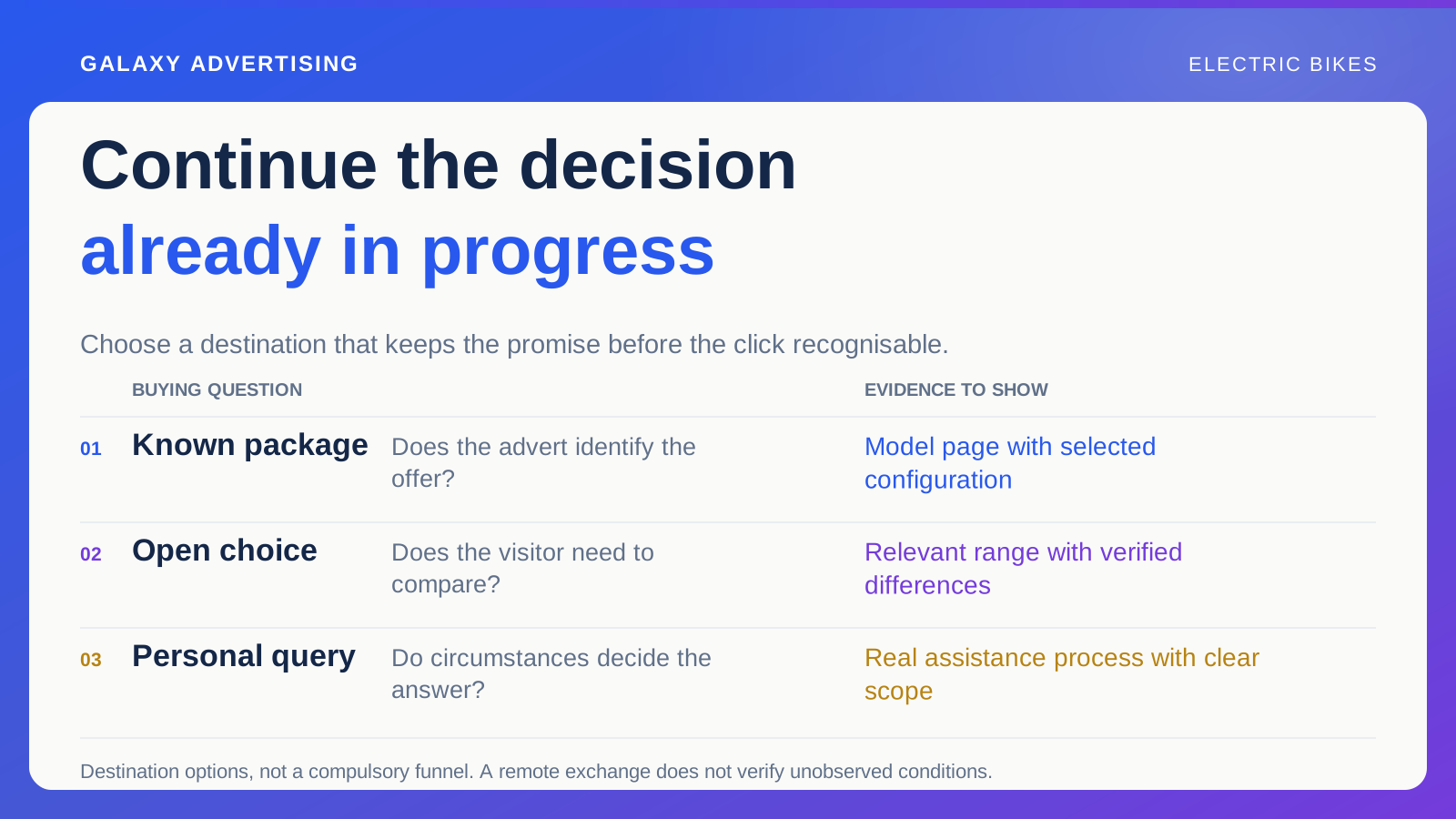
Start with the advert or other actual route into the website. Identify the model, configuration, visible equipment and price introduced before arrival. Looking only at the product page misses what the customer was already led to expect.
Compare that promise with the selected offer at the destination. A family page can load correctly while making visitors search for the version the creative appeared to identify. A working page can still interrupt the decision.
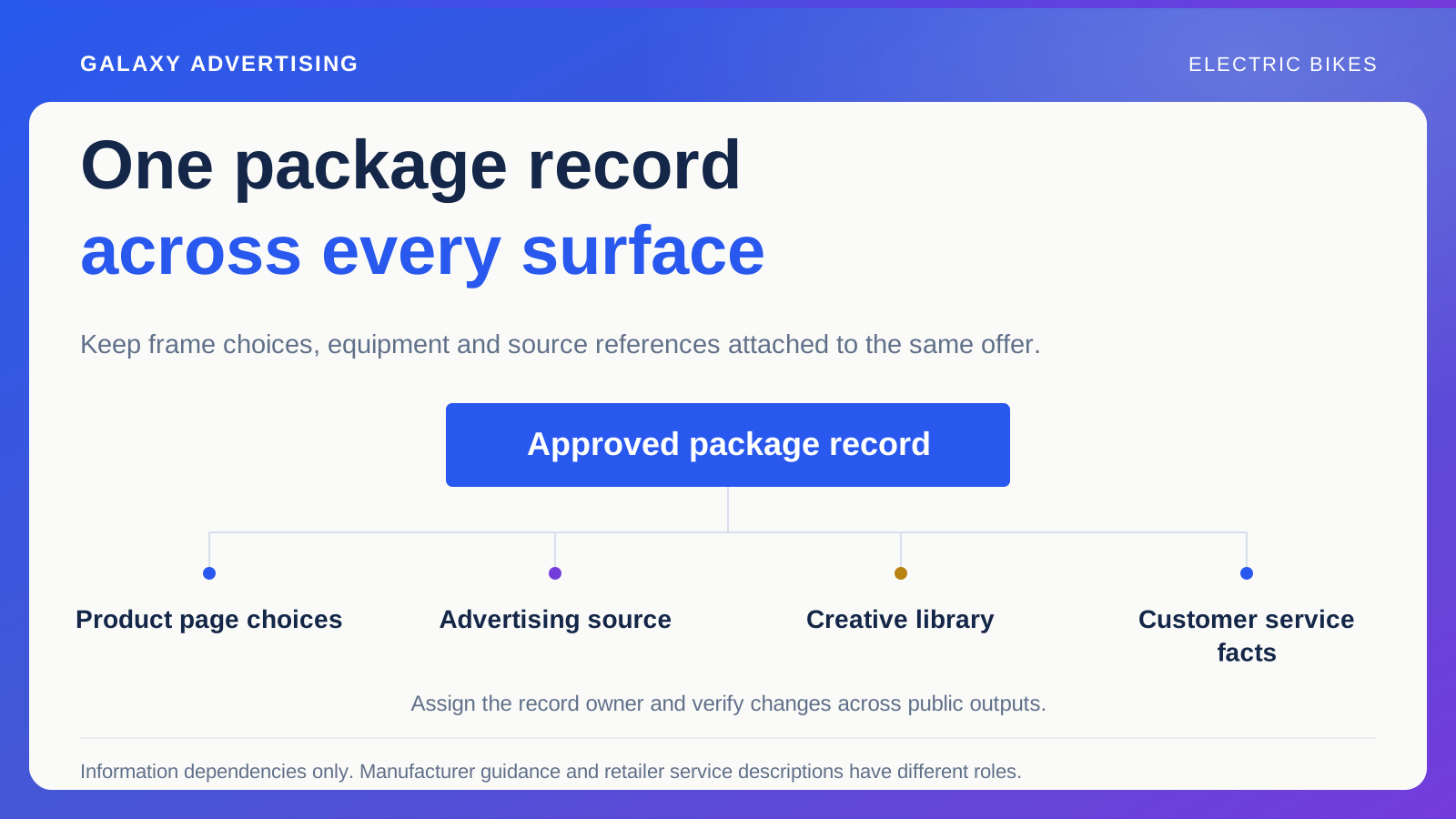
Check whether selection changes update the relevant image, price and availability coherently. A basket addition is difficult to interpret when the chosen package hasn't been explained clearly. Someone could be exploring the offer while a simple funnel report treats them as ready to purchase. Keep that alternative explanation open until you understand the route.
Find the facts that could rule the option out
Look for documented information needed to judge the model against a customer's circumstances. Depending on the offer, that might mean available choices, dimensions or package contents. Those are decision facts, rather than decorative additions to a page.
Keep the audit within its role. You're checking access to reliable information and appropriate assistance. You're not inventing a universal recommendation or performing an unsupported personal fit or technical assessment. Some questions need a different source or conversation.
Prioritise consequential gaps. Missing information about the promoted configuration deserves different treatment from an untested preference about decorative wording. Let the consequence for the buyer determine the work order. The easiest design comment to discuss isn't necessarily the most important problem to resolve.
Check whether assistance continues the customer's work
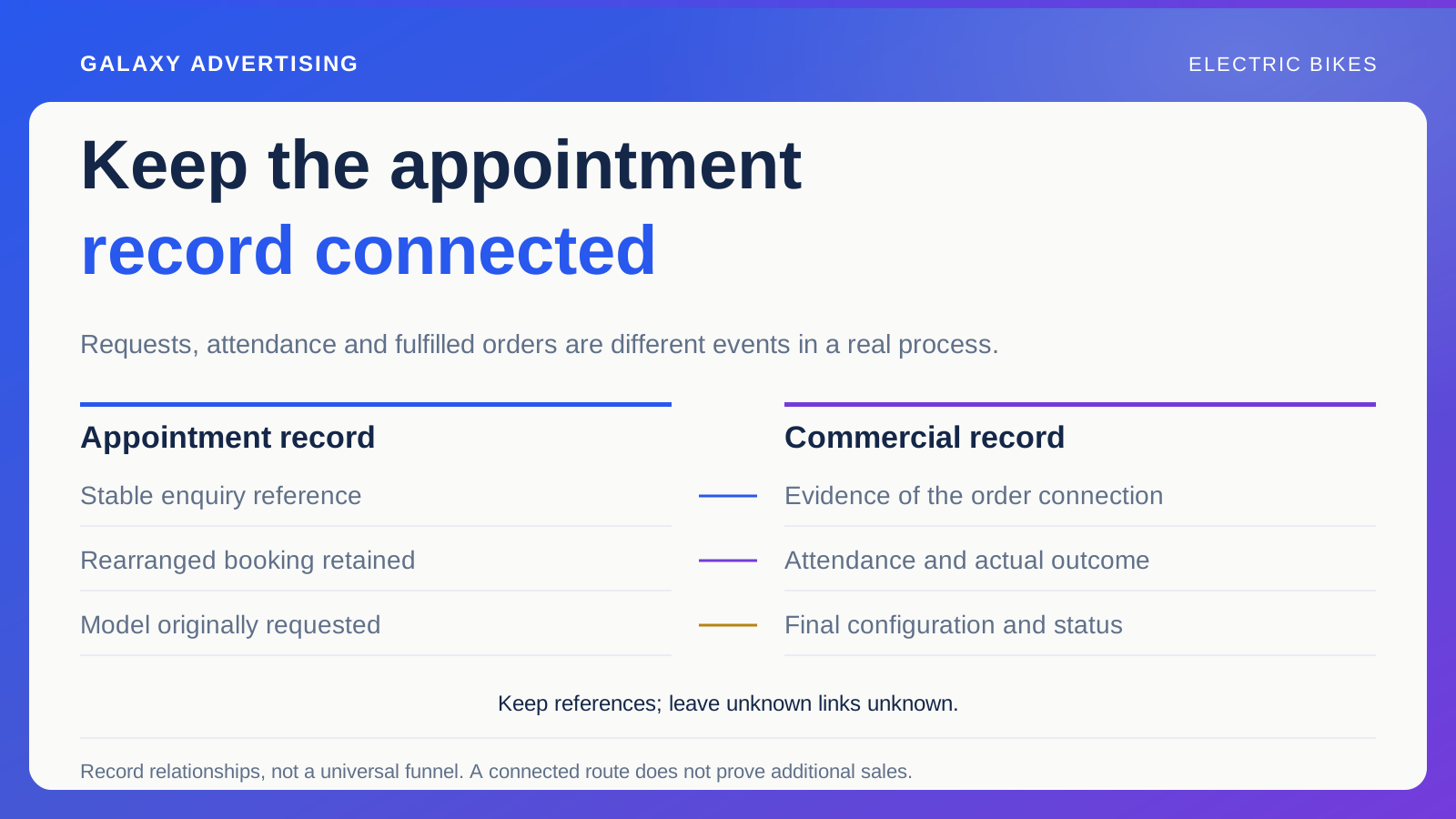
If you offer advice or appointments, can someone understand the process and provide the relevant product reference? A generic invitation to contact you can make them repeat selection work they've already completed. The handoff should preserve that useful context.
Review what happens when staff can't resolve a question immediately. Keep the public promise consistent with the access and expertise actually available. The offer includes the process that follows the enquiry as well as the invitation itself.
Don't read every question as website failure. Some circumstances reasonably require more information. Distinguish missing ordinary facts from questions your service is intended to help answer. Each calls for a different improvement and measure of success. Removing a useful conversation isn't the same as making an avoidable question unnecessary.
Follow the service and payable purchase
Identify delivery and other retailer arrangements that materially affect the order. Keep included, optional and unavailable services distinct. Broad reassurance doesn't ensure a customer has inferred the boundary your team intended.
Follow the route through basket and checkout. Record whether a material cost or condition appears only after the customer has invested effort choosing a configuration. That timing may help explain the decision you observed.
The correction could belong earlier. A faster checkout won't necessarily resolve uncertainty about the complete offer. Clear, accessible service information can help someone decide before entering a step your reporting interprets as firm intent. Repair the point creating uncertainty rather than automatically changing the point where the customer leaves.
Let enquiries and orders challenge your explanation
Review a manageable sample connected to the promoted offers. Which questions recur? Which configurations change? Where does information emerge that alters the decision? Use actual routes to challenge the diagnosis, rather than merely finding examples that fit it.
Keep the sample's limits explicit. It can expose a reproducible problem or suggest a plausible hypothesis without establishing how common each cause is among all visitors. Its usefulness doesn't require an unsupported population claim.
Include order quality where evidence exists. More purchases of a misunderstood package would be an incomplete success. Look at avoidable adjustments and relevant commercial consequences. The earliest conversion event isn't the whole result, especially where the eventual order tells a different story from the initial transaction.
Separate what needs correcting from what needs testing
Repair demonstrated faults and inaccuracies. For uncertain design or explanation proposals, define a specific test or proportionate review with appropriate expertise. Make the intended resolution clear before deciding how to assess it.
Record the observation the change should improve. Don't promise a precise revenue increase from an information correction unless evidence supports the calculation. A useful repair doesn't need an invented forecast to justify clear factual work.
Give actions owners and release conditions. Improving confidence is difficult to inspect. Making supplied equipment identifiable beside the selected configuration is a task someone can finish and check. Return a practical sequence, rather than another general request to improve the site.
Verify the public route after the work
Open the actual entry point and repeat the relevant steps on a phone. Check the promised information and corrected behaviour in the customer experience, beyond the editor or task record.
Retain the original observation and verified result. A finished redesign doesn't establish that the buying question became easier to answer. When you understand the question inside the basket, you can give it the right response instead of prescribing the same checkout treatment to every unfinished purchase.