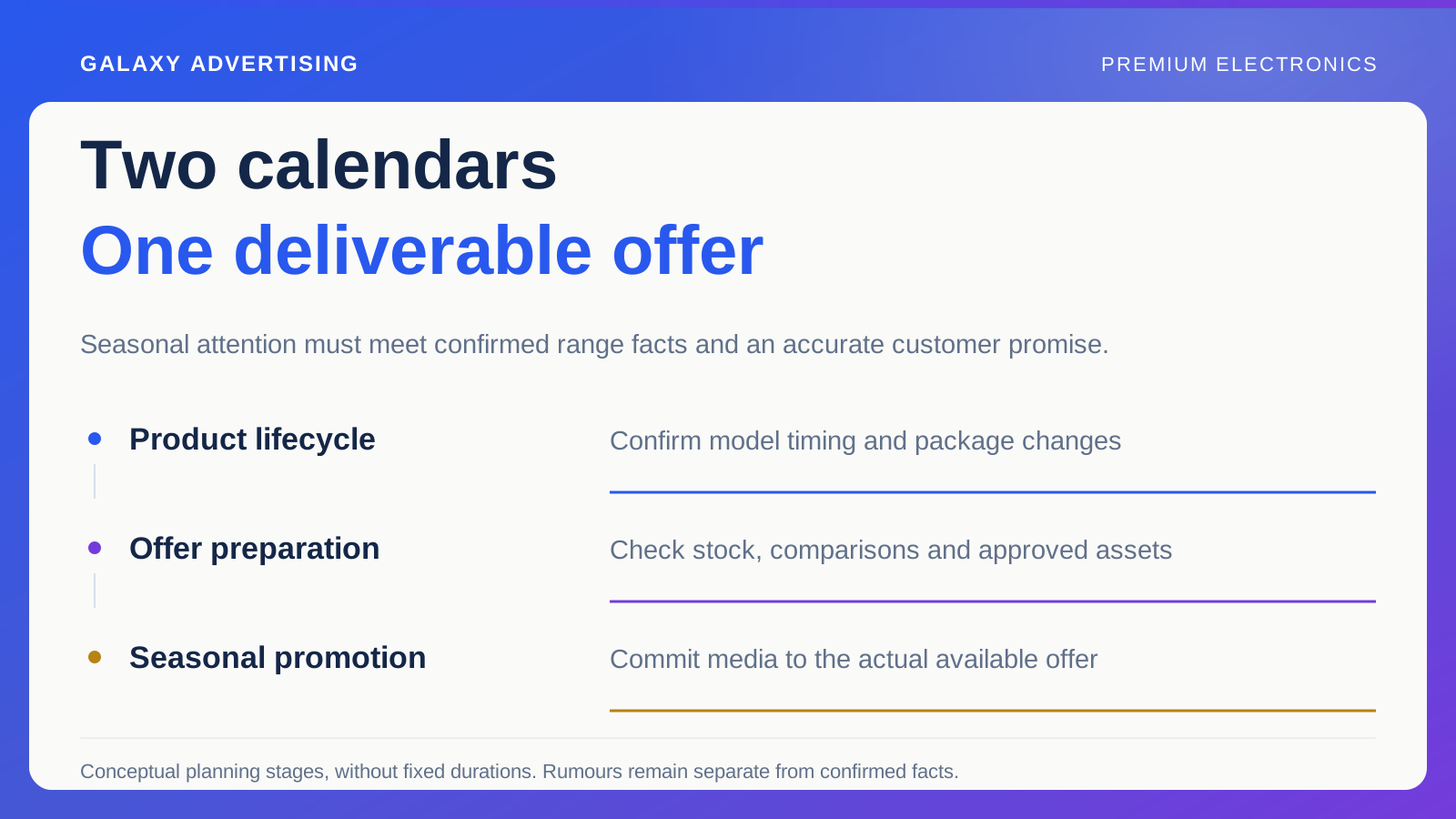
A shopping peak does not make an electronics offer ready to promote. If a replacement model is appearing in supplier information just as you plan a major push for your best seller, repeating last year's calendar leaves too much unanswered.
The current model may still be available and perfectly suitable for many shoppers. Your advertising, comparisons and stock commitment still need a deliberate decision. Plan against both customer demand and the product lifecycle, so you know what must happen when those timelines meet.
Separate what is confirmed from what is rumoured
Use manufacturer and supplier information that applies to your actual range. Record confirmed availability, package changes and replacement timing separately from commentary about what someone expects to be announced.
An unverified expectation should not quietly become a stock or advertising commitment. You can plan for uncertainty without claiming to know the future. Sometimes a possible change needs a contingency, rather than an immediate campaign decision.
Give someone responsibility for maintaining that product timeline. Purchasing may hear an update that marketing never receives, leaving a polished calendar built on obsolete assumptions. A short shared record of confirmed facts is more useful than several versions of an informal conversation.
Give the current model a clear job
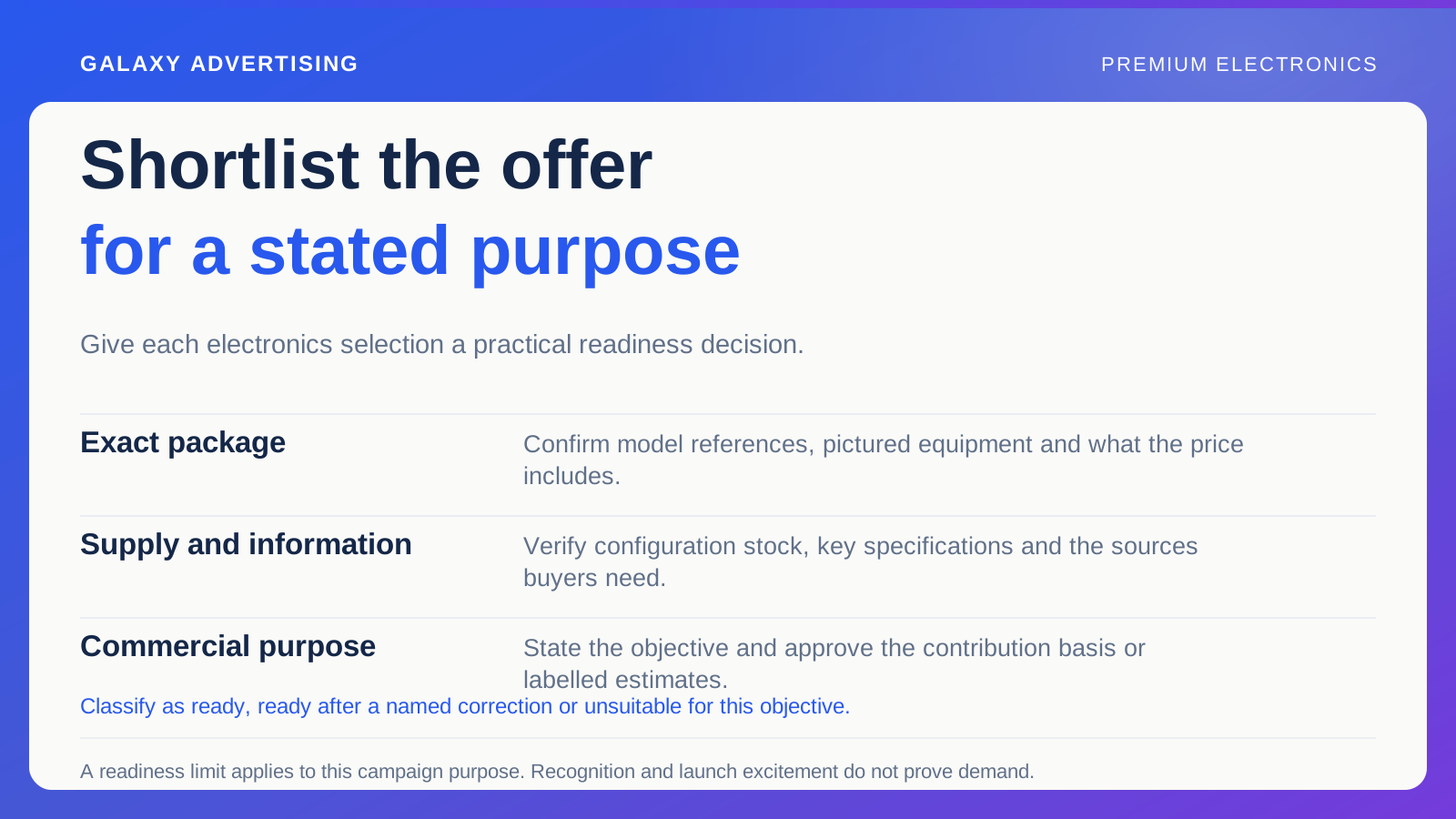
Approaching replacement does not automatically make a product unsuitable for advertising. It can remain a sound choice for people whose requirements it meets. Be explicit about why you are promoting it.
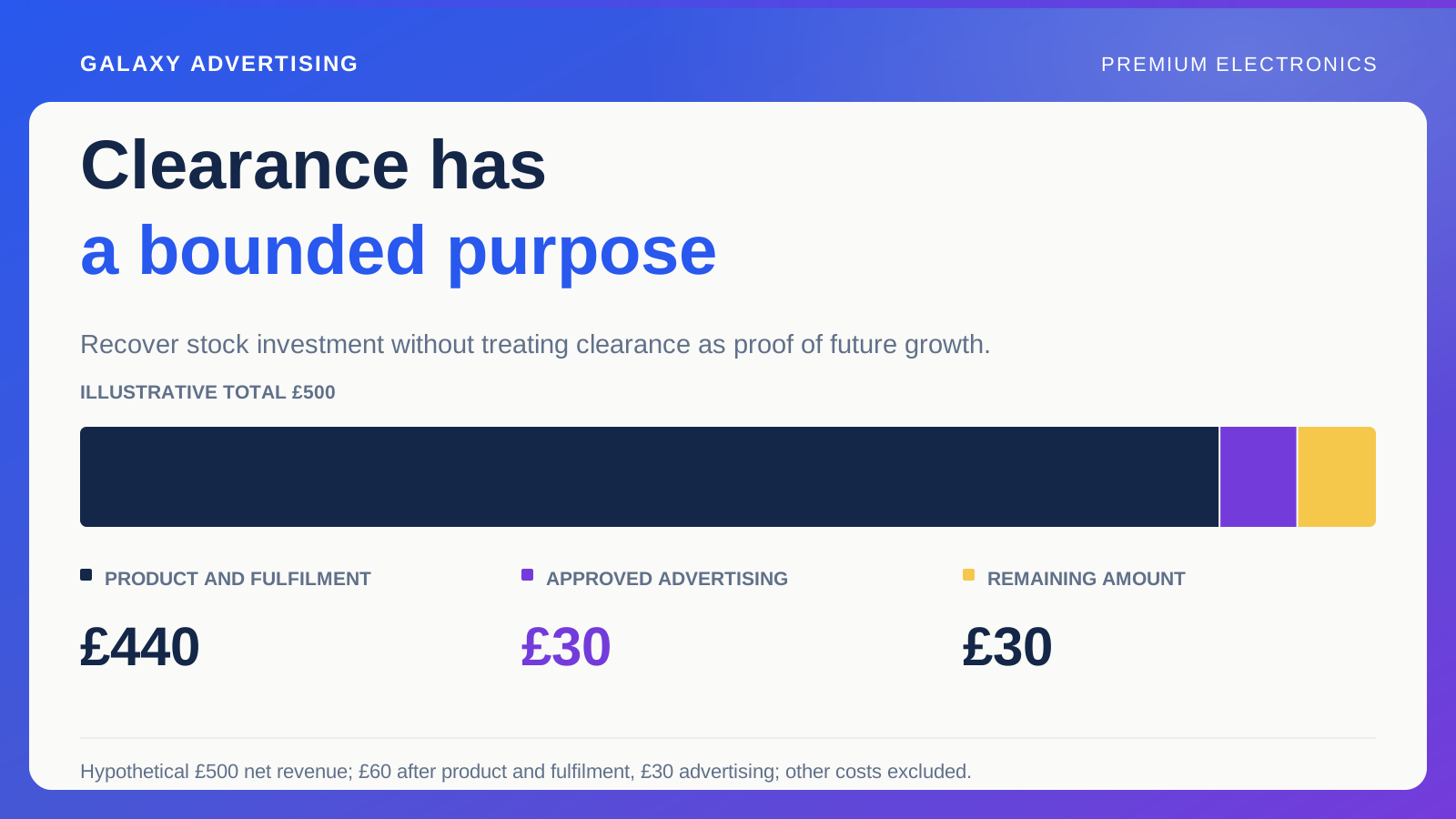
Perhaps you want to sell remaining stock, serve established demand or support a particular price position. Those purposes can justify different spending limits and messages from a campaign meant to build an acquisition route for the long term.
Keep the version unmistakable. Borrowing imagery or language from the replacement can make the current model look like the newer one. An attractive launch asset is not worth that confusion. The customer needs to recognise what they are actually purchasing.
Prepare for the questions before they arrive
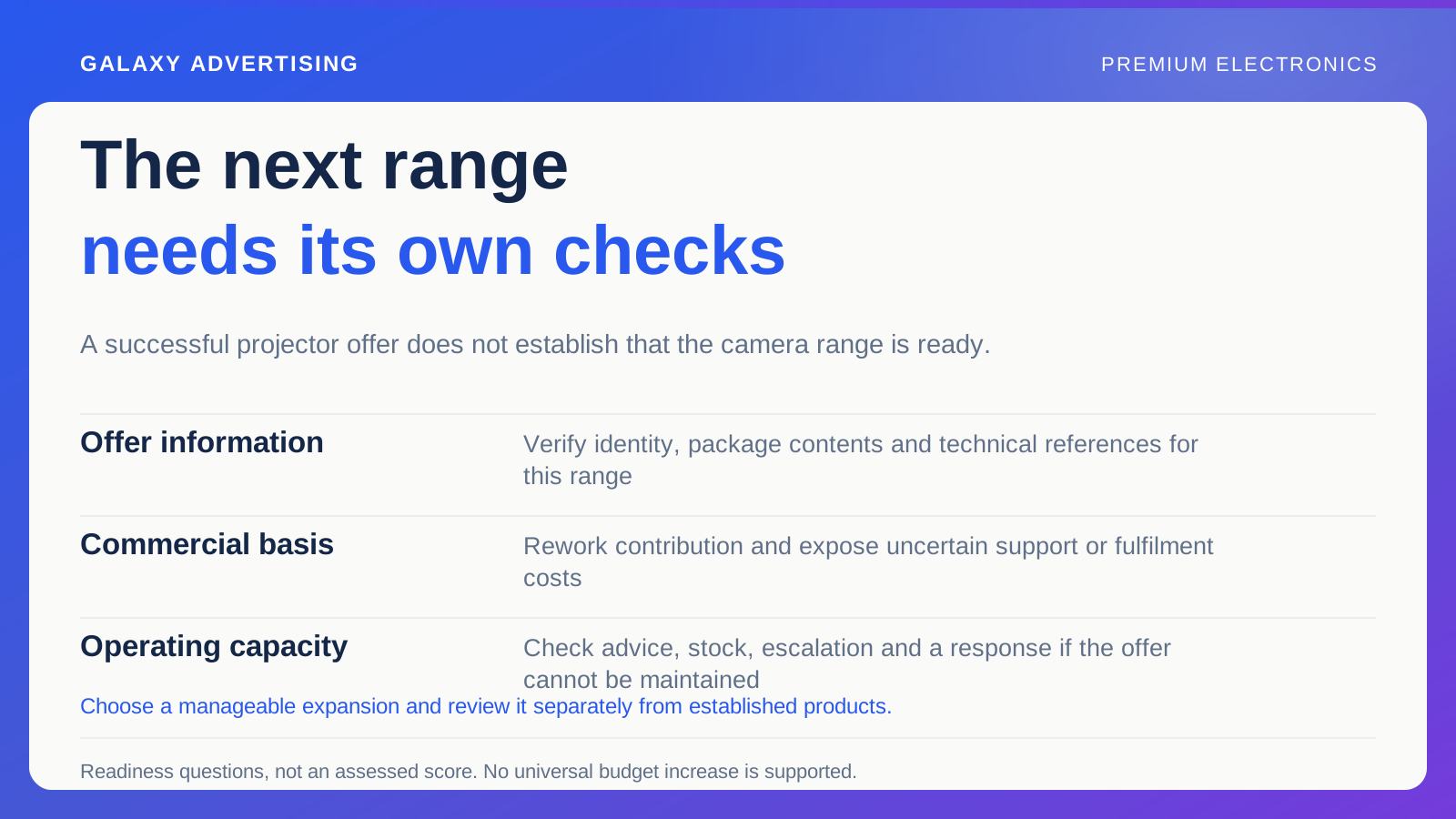
As the range changes, shoppers may ask which documented differences matter, whether their accessories remain suitable or what comes in the current package. Put those questions into the timetable, alongside the campaign work.
Prepare the answers before demand arrives. A comparison that explains practical consequences helps advisers handle enquiries consistently. An accurate product page can also settle factual questions without a conversation.
Do not assume everyone should wait for the replacement. But do not dismiss a meaningful new feature simply because you have current stock to sell. Your website should give suitable customers a fair basis for deciding. A stock objective is not a universal product recommendation.
Tie the media commitment to actual stock
Review available units, expected replenishment and the point where supplying the advertised offer becomes difficult. Look at the precise model and package you will promote. A reassuring total for the category tells you very little about that promise.
Decide how advertising should change when availability tightens. A narrower range might need a different destination or less emphasis. Plan that response before the advert and page become an abrupt mismatch.
Look inside bundles as well as at the main device. The promotion can remain technically active after the component that made the package attractive has gone. Name the person who will detect the exception and authorise a response. The calendar needs that responsibility as much as it needs a launch date.
Make the creative handover explicit
List assets, quotations and claims tied to a particular model. Replacements can look similar enough for someone editing the creative to miss a changed connection, control or included component.
Retire or relabel material when its context no longer matches. Replacing a product name in a caption does not make old footage accurate for the new version. Have someone who knows the products review it before release.
Record the live destination, item reference and approved offer at each campaign stage. A clear handoff lets you investigate later questions without guessing what a customer might have seen.
Prepare advisers for that handover, too. People may ask about the replacement before every public page has changed. Staff need to distinguish confirmed facts, your currently available offer and questions still awaiting verification. That keeps conversations accurate while the transition is in progress.
Keep the promotion commercially honest
Assess discounts and additional services using your agreed contribution basis, the money remaining after the costs included in that calculation. A model transition may give you a valid reason to clear stock. Make that objective visible instead of dressing it up as an ordinary acquisition target.
Check you have not committed the same units to incompatible arrangements. A standalone price promoted by one team and a bundle created by another both need to be deliverable under their stated conditions.
Set deadlines from the real offer and operational timetable. Urgency should come from a genuine condition you can maintain. A shopping peak gives you a date to plan around; it does not give you a reason to invent scarcity.
Read the results against the offer that changed
When reviewing performance, note the replacement's introduction, changes in current model stock and shifts in price or package. Those conditions can change customer behaviour without the advertising account suddenly becoming better or worse managed.
Keep results from selling the remaining range separate from evidence about future demand for the new model. A successful clearance is useful, but it does not automatically support the same acquisition assumptions for a different offer.
Your calendar can make those distinctions available before the review, rather than leave the team reconstructing them later. That is how seasonal attention stays useful without losing honesty about the product lifecycle.
The dates create an opportunity. The range determines what you can responsibly do with it. A strong campaign sequence remains understandable to customers and deliverable by your business, even when the biggest change comes from the product rather than the calendar.