 ChatGPT Ads
A new page design is not a diagnosis for disappointing ChatGPT Ads orders. If the advertised desk is unavailable, its accessories are unclear or the purchase measurement is wrong, a redesign starts work before you've identified the job.
It's understandable to want something visible to change. But a broken selector, expensive delivery and an unproven headline idea need different responses.
Make your conversion audit a set of observations somebody can reproduce, with the right owner for each. Saying the page isn't converting bundles several possible problems together. Separating them gives you a defensible order of work.
Follow the route that raised the concern
Save the advert version, destination and relevant product configuration. Identify the period and observations behind the concern. A general feeling that the campaign looks weak isn't a sufficiently clear starting point for an audit.
Use a phone and follow the route without filling gaps from your knowledge of the catalogue. Check the item shown, selected variant, meaning the size, colour or configuration, price, availability and essential service information. Note what a new visitor has to infer or search for.
Repeat important interactions, including changing size and selecting a package. A page can open correctly and then show an inconsistent image or unavailable arrangement after a selection. Follow the proposed purchase beyond the first successful load. That's the experience you're investigating.
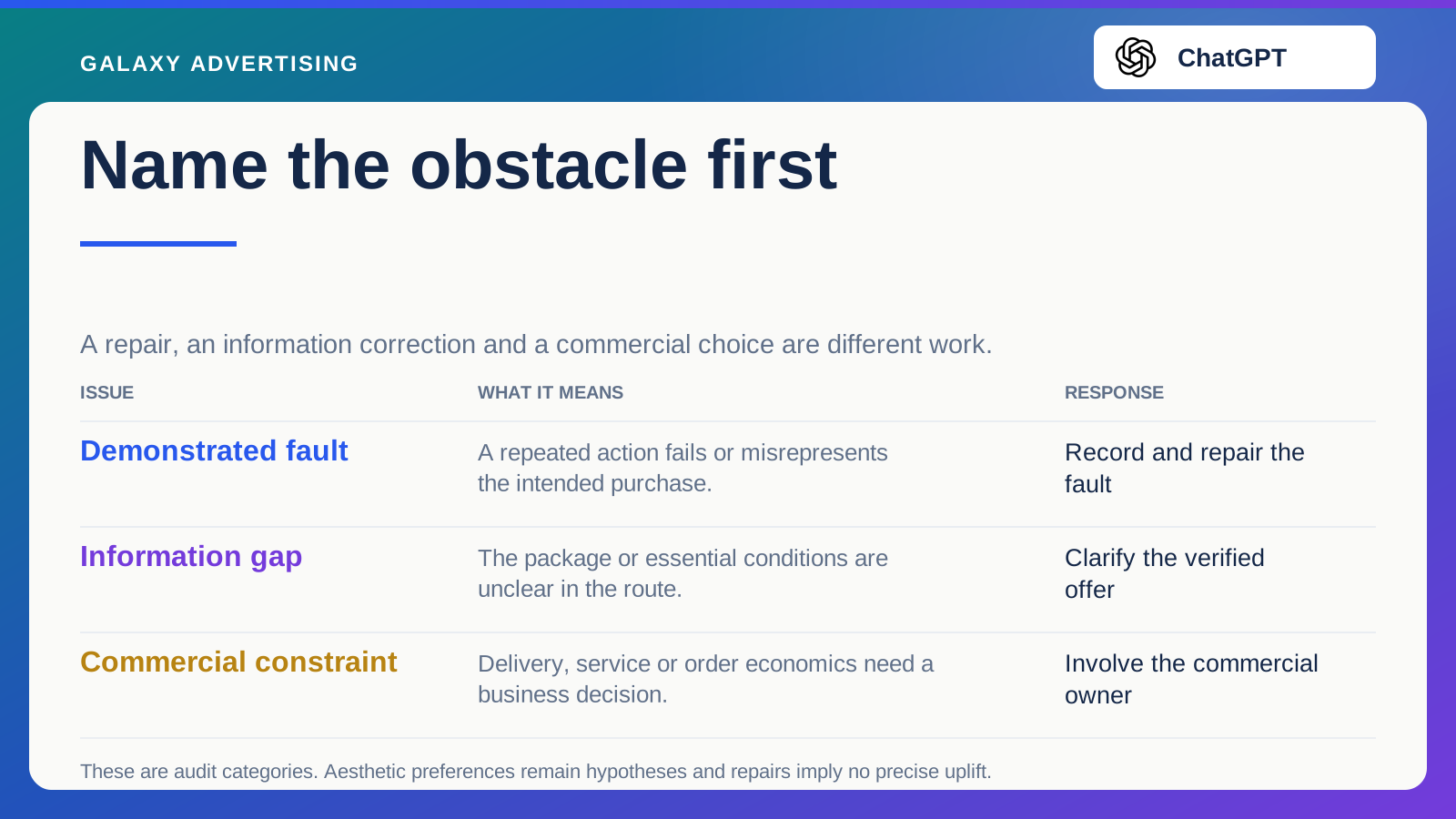
Is it a fault or an opinion?
A button failing to open the intended option is a demonstrated fault. Thinking the button ought to be another colour is a hypothesis. One calls for a repair; the other needs a test if the reasoning is credible.
For a fault, record the route, action, observed result and expected result. Include relevant configuration or device conditions so somebody else can reproduce it. Leave out unnecessary personal information.
For an interpretation, explain your reasoning and what evidence would challenge it. A page can feel visually busy without that being the main reason people leave. Treating an aesthetic preference as a verified defect can occupy development time while more concrete obstacles remain untouched. Be clear about how much your observation actually establishes.
Does the purchase match the picture?
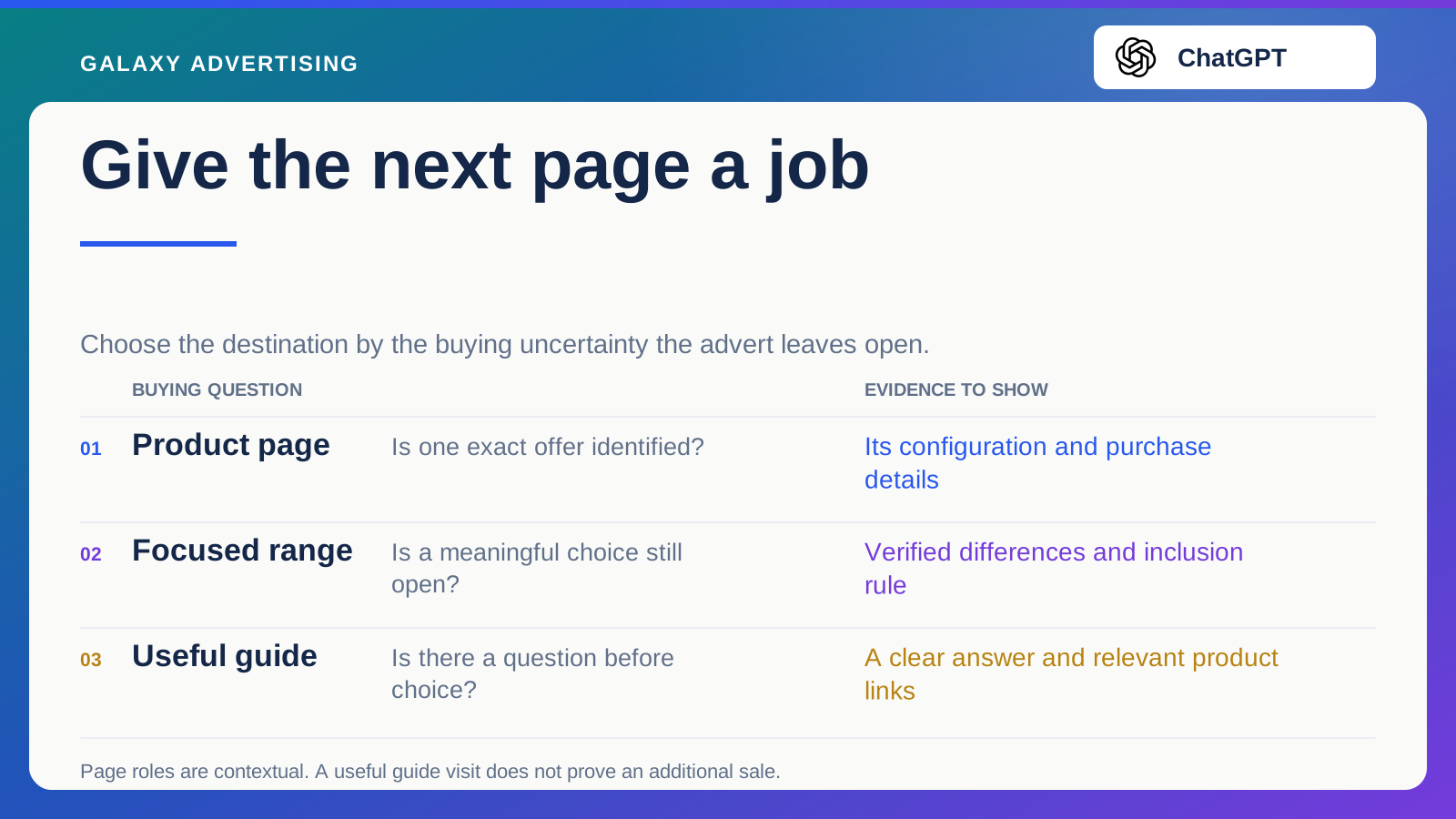
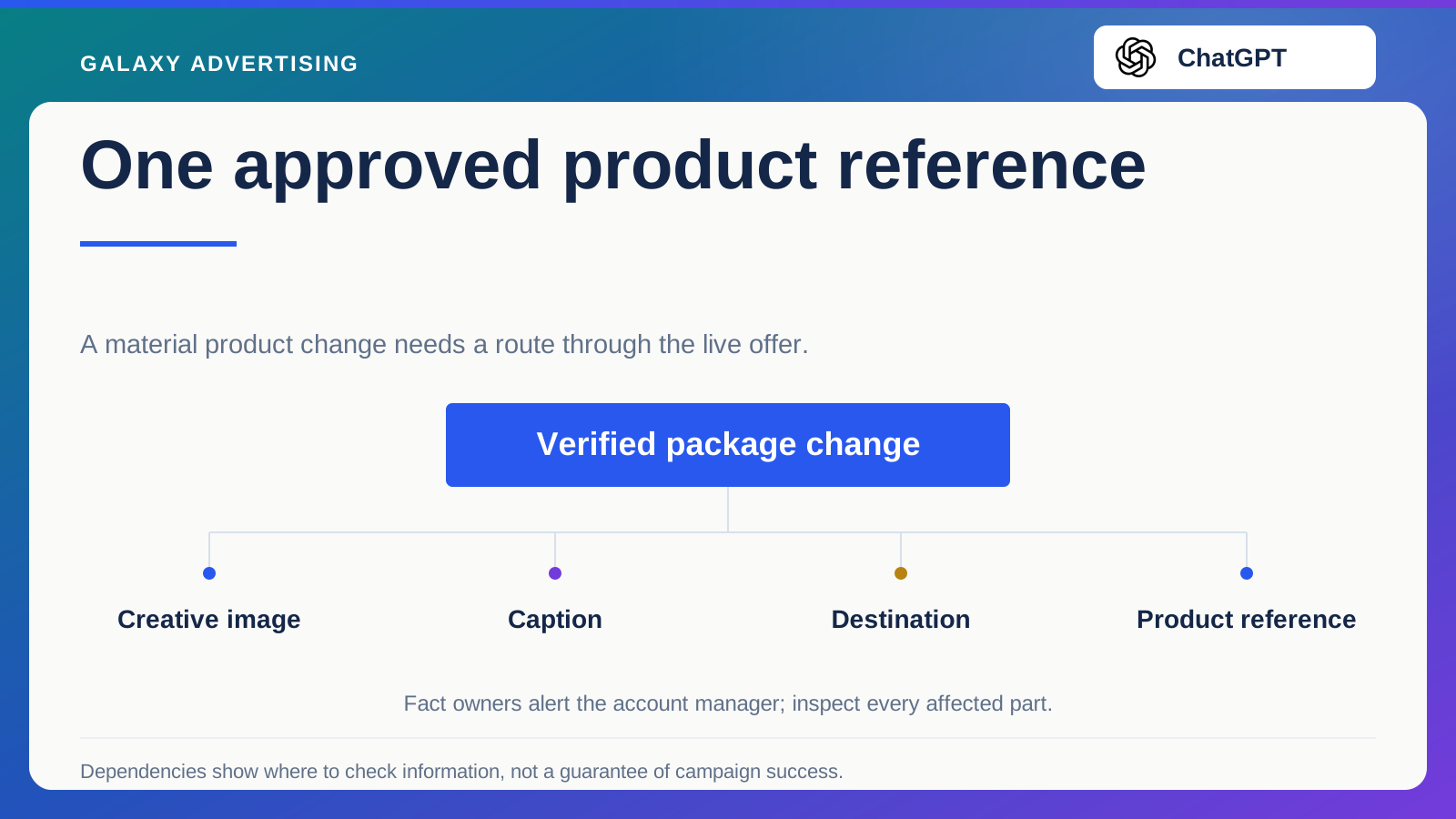
Compare the asset with the package being sold. A desk photograph could include a monitor arm, storage pedestal and cable accessories that the quoted price excludes. Make that distinction understandable on the page.
Ask an unfamiliar reviewer what they believe the purchase contains. Their response checks comprehension. It isn't a representative conversion study. If the package is misunderstood, examine the dominant visual and wording before reaching for another disclaimer.
Look at option level stock too. The general product may be available while the configuration attracting interest cannot be supplied. That is a merchandising constraint with implications for promotion. It doesn't automatically show that the advertising audience is unsuitable. Check whether the offer exists as understood before judging who it attracted.
Find the costs and conditions revealed later
Trace when customers learn material delivery charges or optional service costs. An attractive product price can create a different impression from the full payable offer. Record that difference as part of the route.
Discuss the actual service with operations. Where the product needs a particular delivery arrangement, a general site banner might not explain the conditions accurately. Use verified facts, rather than assumptions about what premium customers will tolerate.
Some constraints need a commercial decision: change the offer, accept a different acquisition allowance or select another product. Rewriting a paragraph cannot make an uneconomic or unsuitable service attractive to everyone. Keep the person responsible for the commercial model involved, so a business decision doesn't get handed to a copywriter as though wording alone can settle it.
Check what the reporting counts
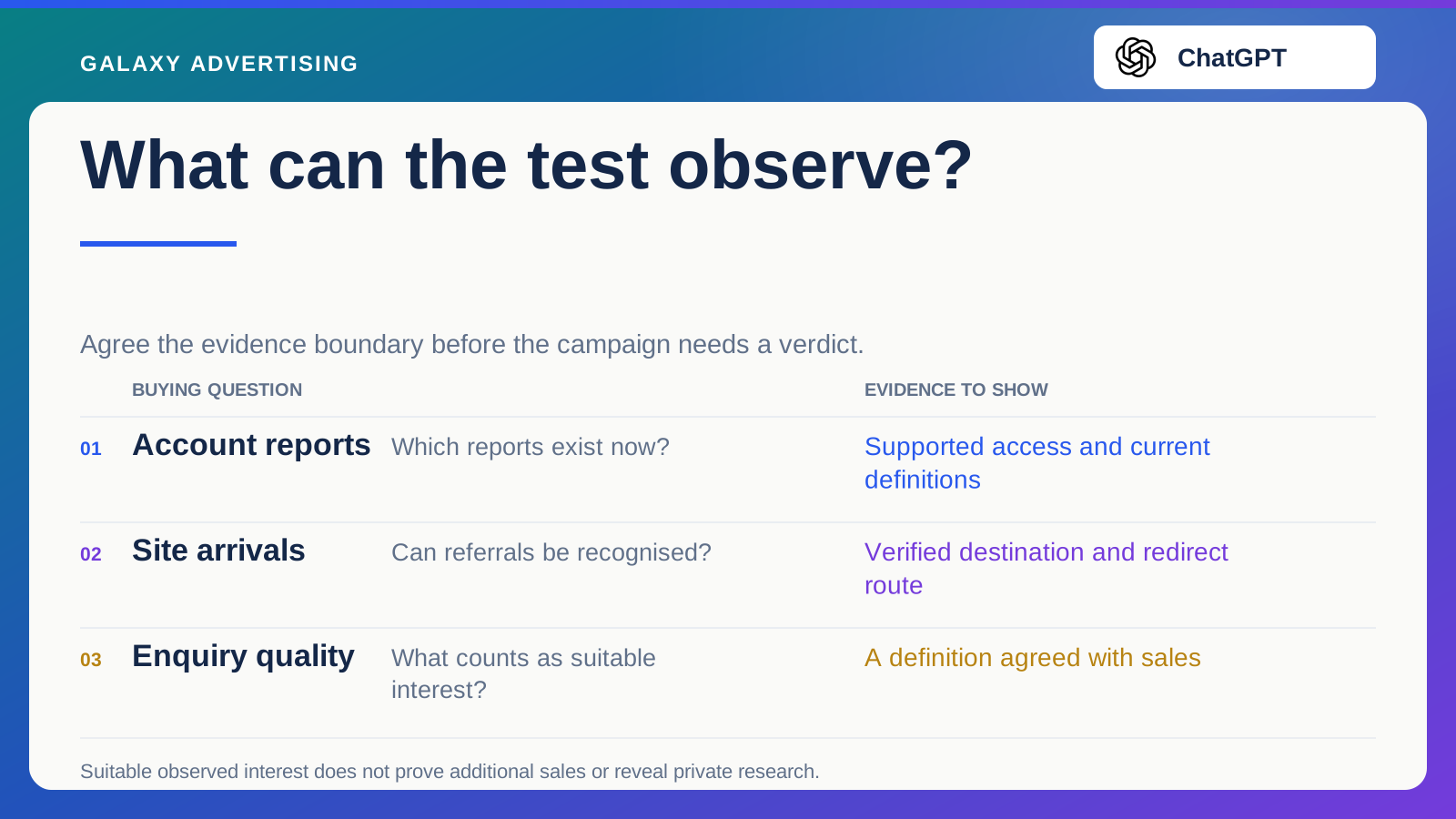
Confirm what your measurement records as a purchase, enquiry or other action. Where possible, check a small sample against relevant store records. An implementation fault can make a functioning buying route appear stronger or weaker than it is.
Keep that investigation separate from explanations of customer behaviour. Finding a missing event identifies a reporting fault. It doesn't prove every unrecorded visitor was commercially suitable.
An accurate purchase record doesn't explain an abandoned visit either. Distinguish what you've observed from what you suspect. Otherwise a gap in the data becomes the foundation for a very confident story about customers, and the subsequent recommendation carries more certainty than the audit earned.
Put the strongest evidence first
Start with faults that prevent or misrepresent the intended purchase. Then address material information gaps and commercial constraints. Keep speculative presentation changes for a defined test built around a credible hypothesis. That sequence helps different kinds of work compete on an honest basis.
Describe consequences without inventing a precise uplift. A selector fault can obstruct a purchase even if you cannot know how many additional orders fixing it will produce. Accuracy and functionality can justify the repair.
Give every action an owner and verification step. Development, merchandising and the account manager may own different parts of the route. Don't leave a recommendation unfinished because everyone thought somebody else was implementing it.
Keep nonurgent ideas in a separate hypothesis record with the observation or test that would justify revisiting them. That preserves useful thinking without turning every opinion into an unresolved fault competing for urgent development capacity at each review.
Check the live route after the fix
Reproduce the original observation after the change. Confirm that the intended issue is resolved where customers encounter it. A source edit or completed ticket doesn't establish that the corrected offer is live and usable.
Then monitor the relevant outcome without dropping the limitations. If the page becomes clearer but order evidence remains limited, report both facts. A worthwhile correction doesn't need an exaggerated success story attached to it.
The audit earns its value by narrowing uncertainty. Once you can distinguish what is broken, what is unclear and what remains a commercial question, you can give each its proper response. A redesign may belong in that work. It shouldn't stand in for finding the obstacle.