Did your two pair discount create a better order, or just a bigger initial basket? Some orders can later lose a pair, while discounts and extra handling change what the business retains. The higher basket total doesn't settle whether the promotion was worthwhile.
Start with a defined purpose and a complete cost basis, then follow the order beyond its first recorded value. An incentive should make an understandable offer more attractive to suitable shoppers. It can't make missing sizes or unclear model guidance disappear, however appealing the headline looks.
Decide which behaviour you're trying to encourage
Are you introducing another model, creating a coherent package or changing the price of a particular offer? Those purposes aren't interchangeable. “More sales” is too vague to tell you whether each has done its intended job or what should happen next.
Ask what the customer receives that matters to their decision. A relevant accessory could make a clear package. Another pair can require an entirely separate style and fit assessment. A larger basket doesn't necessarily make the purchase simpler or more useful for the person filling it.
Don't choose a mechanic only because it's easy to advertise. A concise headline can describe an awkward transaction. You need a reason the incentive supports the customer task and your commercial objective, rather than assume a message that fits neatly in the advert must make a sensible offer.
Calculate the complete commitment consistently
Use your approved definitions for product revenue, discounts, fulfilment and later adjustments. Include relevant promotional costs. Accessories and additional handling don't become free because they sit outside the media account. The offer needs to be assessed on the basis the business actually uses.
Take a hypothetical £250 pair leaving £90 before advertising. If a £25 reduction changes no other cost or behaviour, contribution falls by £25. Contribution means the money remaining after the costs included in that calculation. The arithmetic identifies the additional outcome needed to justify the reduction; it doesn't determine whether the promotion is worthwhile.
Leave uncertain effects visible. More initial orders might or might not create enough retained contribution to fund the incentive. An attractive revenue forecast shouldn't bypass that question. Explain what you don't yet know alongside the proposed commitment so the decision reflects it.
Check there is a credible second pair to buy
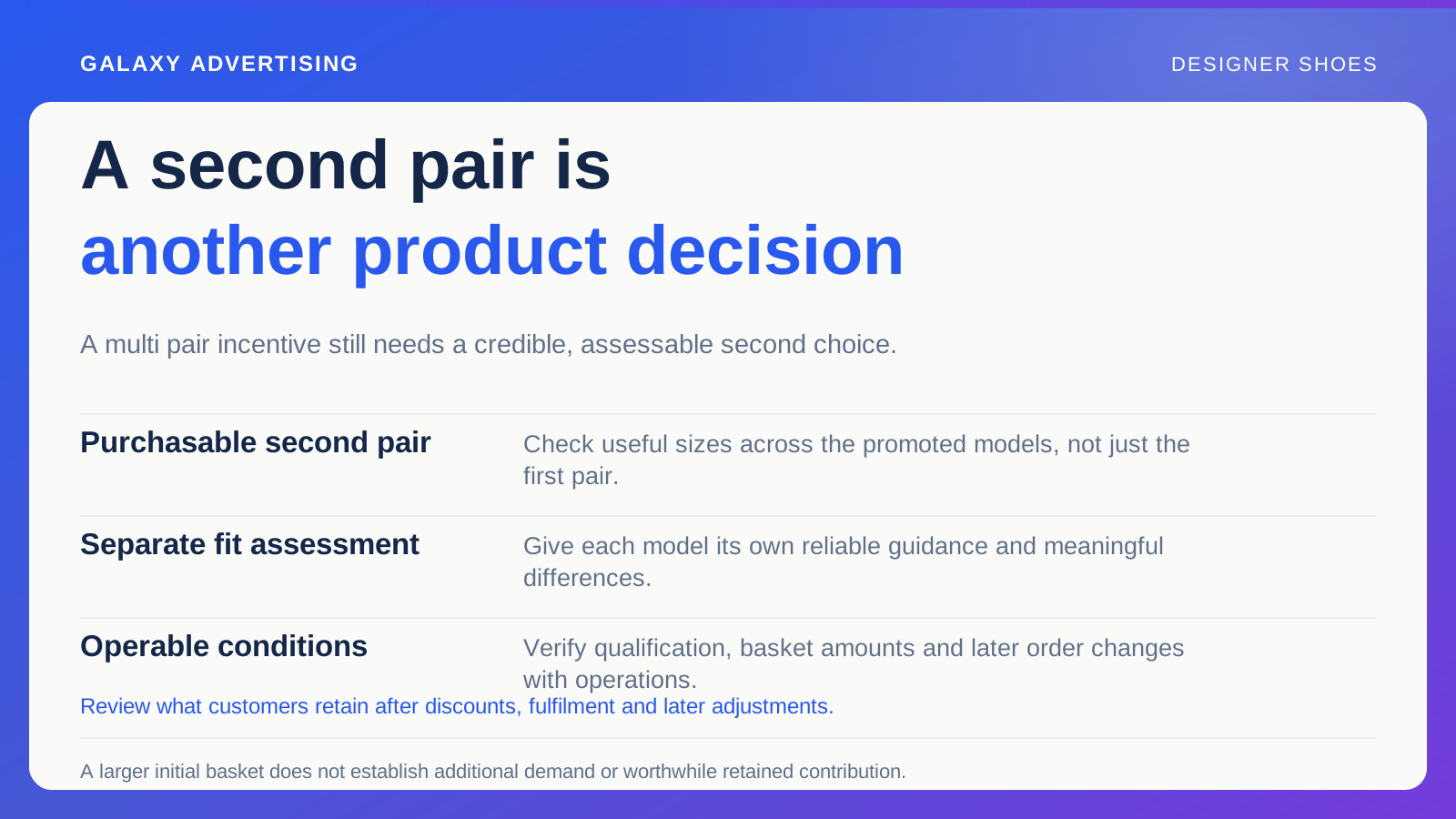
Inspect useful purchasable sizes in the promoted models. A multi pair incentive can frustrate someone who can find one suitable option but can't assess or buy another. The second choice needs to work as a product decision, rather than merely help the basket qualify.
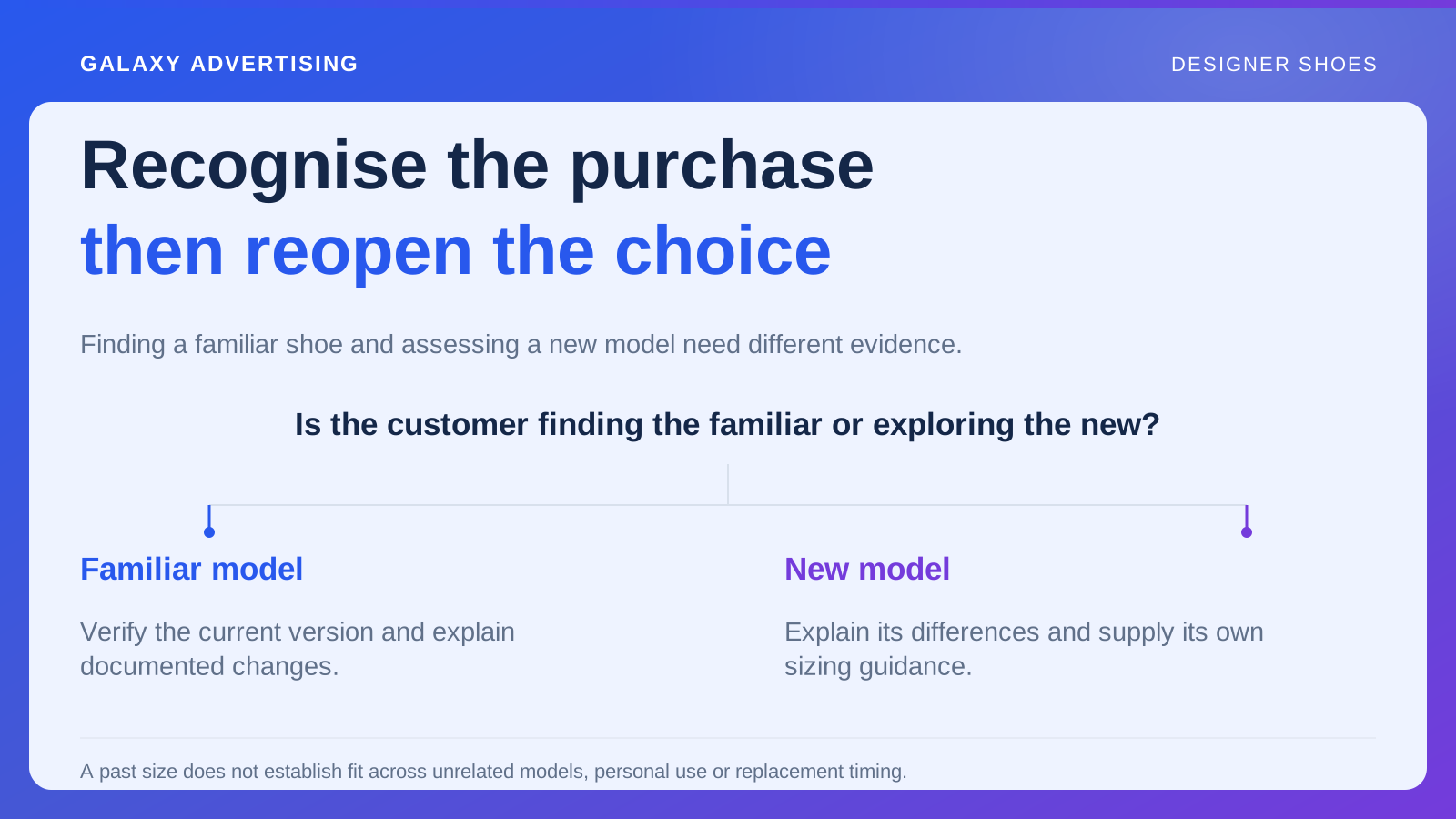
Don't imply a size chosen in one model transfers automatically to the next. Provide each model's reliable guidance and explain relevant differences. The discount doesn't remove the separate assessment. It simply changes an aspect of the offer once the customer can judge both pairs.
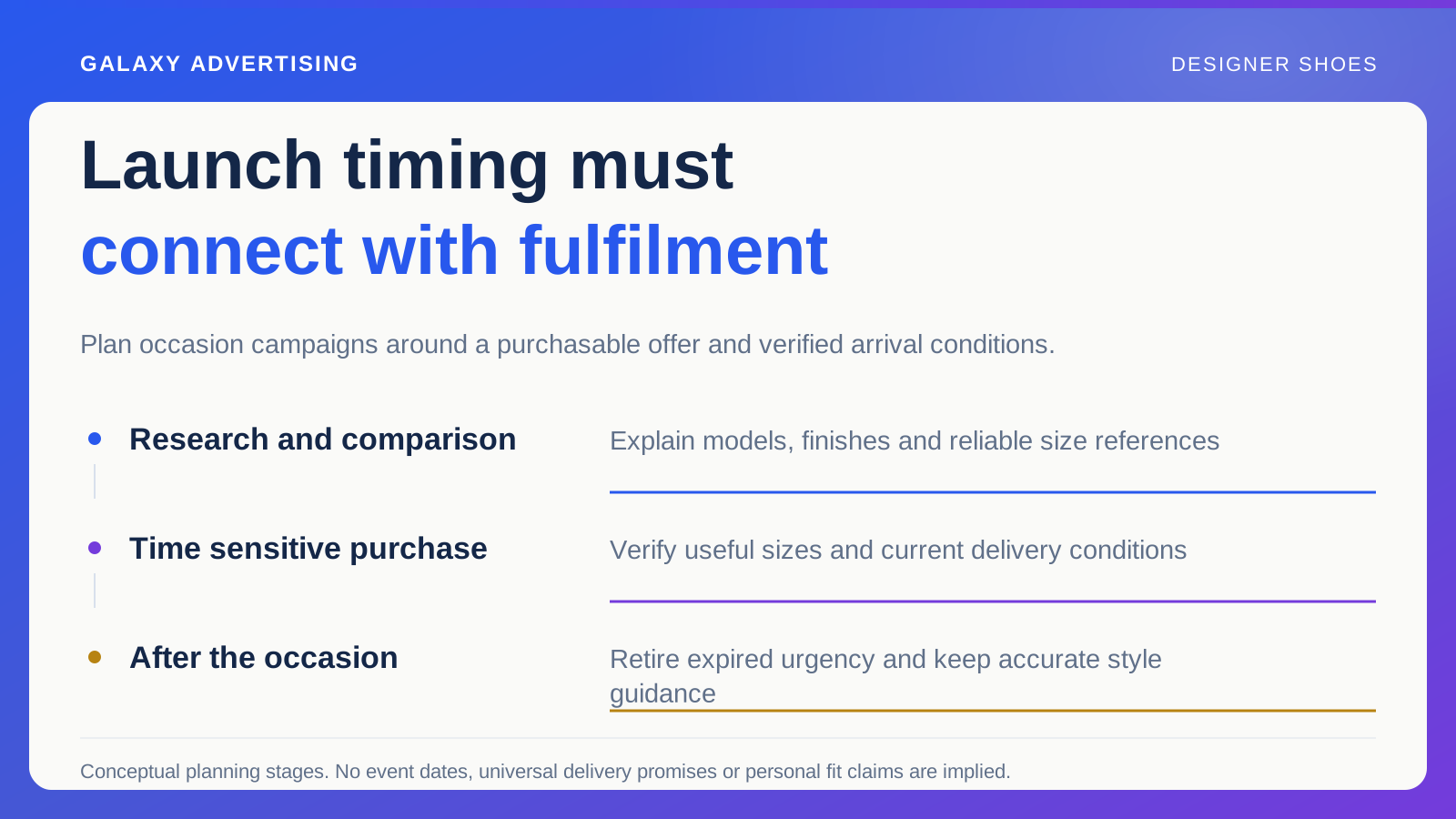
Reconsider the promise if availability changes. The same invitation into a depleted collection can create activity without a workable purchase. Give stock and campaign owners a clear handover throughout the promotion, so advertising reflects what shoppers can currently find and buy.
Make the conditions clear before commitment
Explain qualifying products, the actual offer and relevant conditions through approved wording. The customer shouldn't have to reverse engineer the basket to discover what your headline means. Qualification needs to be understandable as well as technically implemented.
Check unusual but plausible routes with the operations owner. Later exchanges, partial refunds and changes to a qualifying basket need an established process. Marketing shouldn't invent a caption answer once an exception appears. The business needs a response it has actually agreed and can operate.
Follow the offer on a phone, checking amounts and item references. A correctly configured rule can still leave customers unsure why a particular result occurred. Review both the technical outcome and their ability to understand it. Those are related checks, rather than the same one.
Compare the different jobs incentives can do
A price reduction changes payment. An accessory package changes what's included. A service addition changes the purchase experience. No category wins automatically across every range or task. Choose according to the offer, rather than treat one mechanic as inherently more sophisticated or commercially attractive.
Keep the comparison interpretable. Combining a new model, discount and service package can be a valid commercial choice, but doesn't isolate any component's effect. Describe the combined offer honestly rather than award its whole result to whichever element you wanted to test.
Keep explanation separate from persuasion. If customers can't identify the finish or understand model guidance, another incentive may leave that uncertainty untouched. Correcting the information gap can need to come before testing a price argument. An extra reason to buy isn't the same as an answer about what they're buying.
Follow retained value and the work behind it
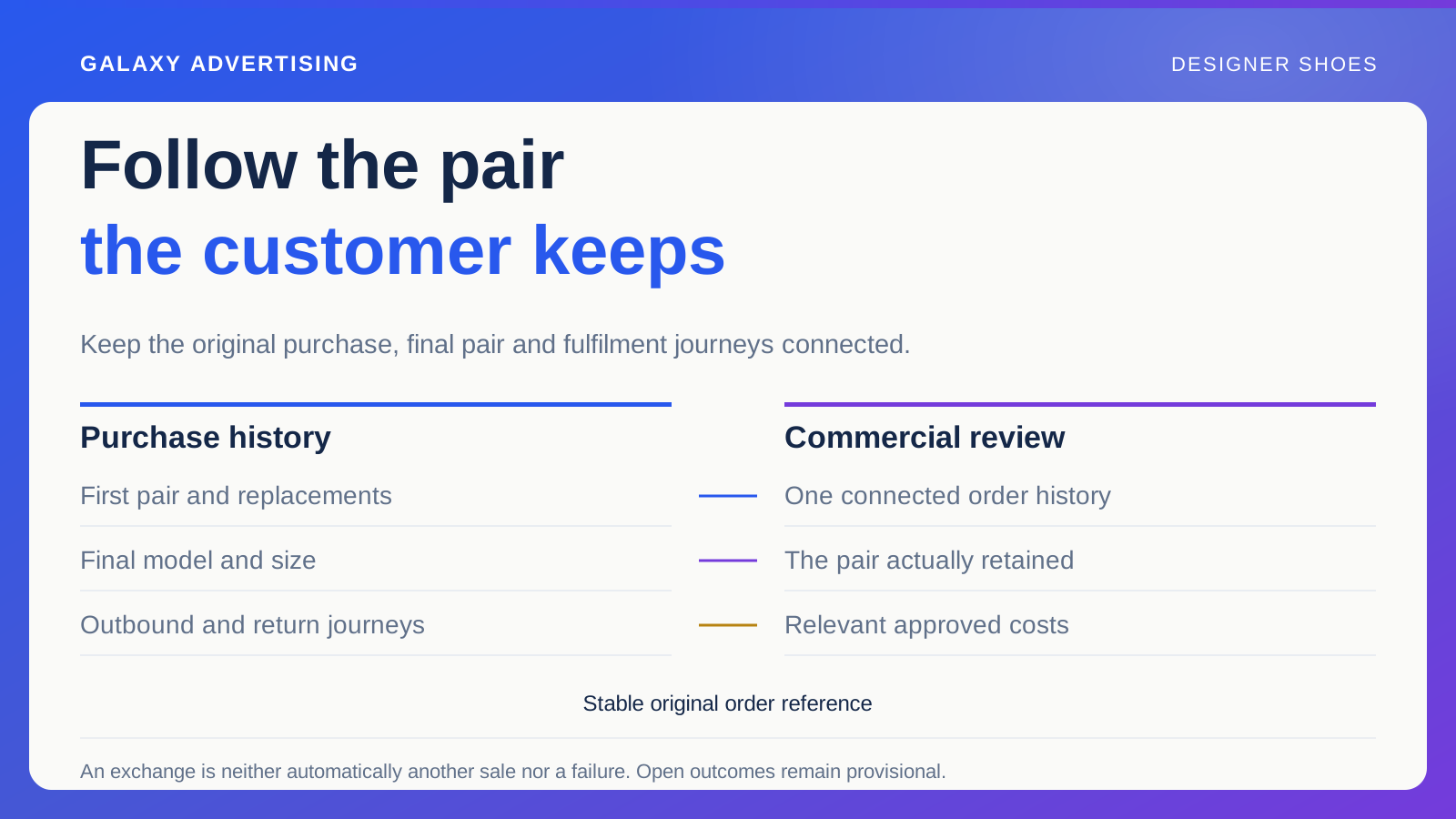
Use stable references to connect promotional orders with later status. Show what remains after relevant discounts and costs, with sufficient time and context for comparison. Recent and mature groups may have different adjustment histories. Keep that limitation beside the result rather than treating every initial order as settled.
Inspect exceptions too. Repeated packing confusion or customer questions can require operational revision even with attractive early sales. Don't invent a precise cost for every anecdote, but don't omit material work either. The average basket doesn't describe every demand placed on the business.
Observed sales aren't automatically additional sales: some customers may have bought anyway. Where a suitable comparison is feasible, agree its purpose and limitations in advance. Don't claim the full promotion total as new demand. Retain a representative basket screenshot and corresponding packing instruction with the offer record, showing both what was promised and what operations were asked to supply.
Give the offer an end and a decision record
Name owners for launch checks, updates and retirement. Keep approved assets, conditions and offer version so you can explain what customers encountered. At review, decide whether to continue, adjust or stop and record why. More orders don't oblige a busy mechanic to become permanent.
A useful footwear incentive supports a coherent choice and leaves explainable retained value. It gives someone another reason to buy a pair they can assess, rather than distract them from an unavailable size or unresolved purchase condition.