Twenty categories need improvement, and you have capacity to work on three. The biggest search volumes sit with thinly stocked ranges and incomplete product facts. A smaller category has useful inventory, clear customer questions and a page you can improve quickly.
That is a business decision, rather than a contest to find the largest keyword list. You want better discovery to connect a real customer need with products you can supply and explain accurately.
Demand matters. It needs some commercially useful company before it tells you what to do first.
Start with the range behind the category name
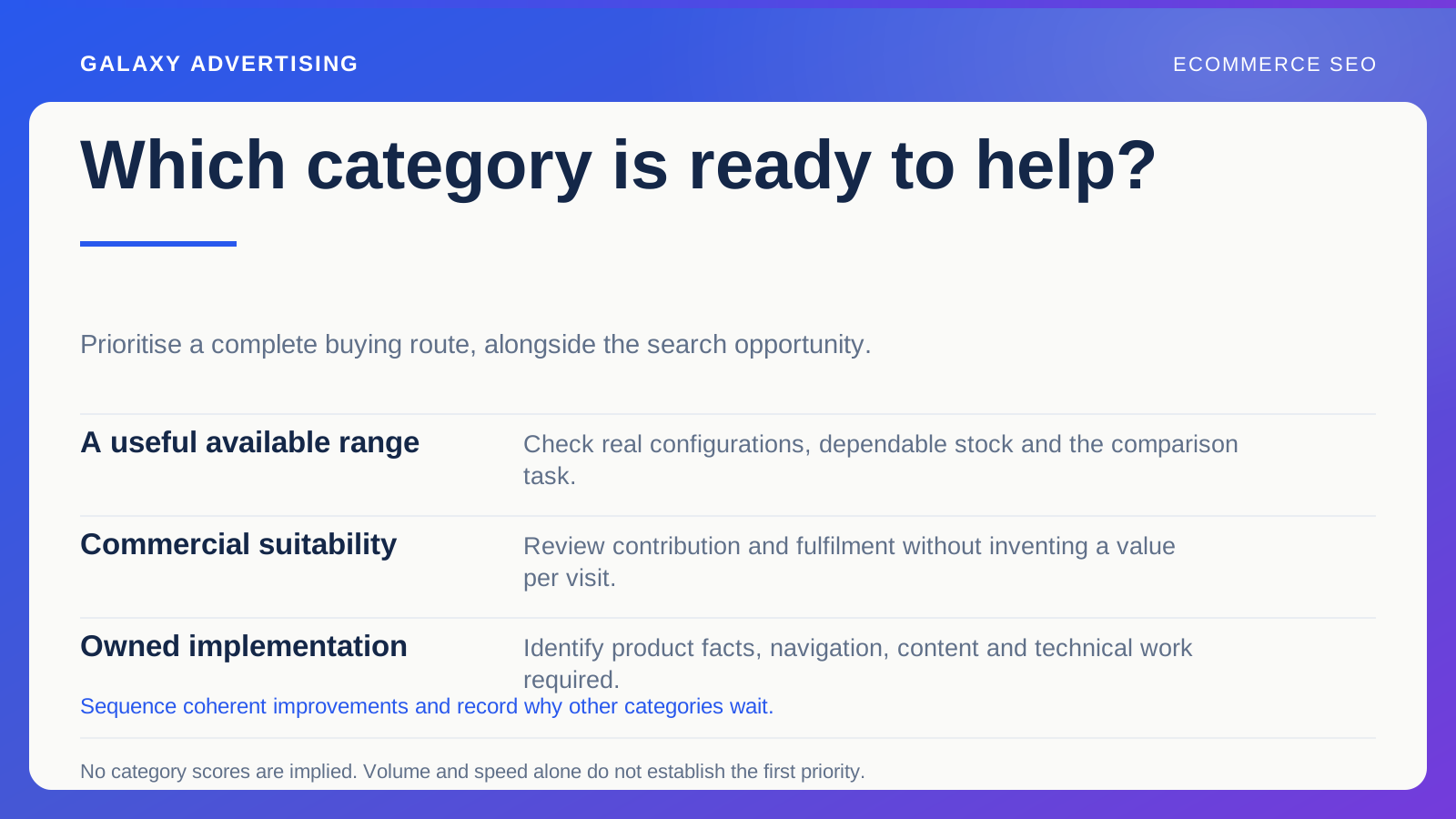
Inspect the products and configurations actually available. A broad sounding category can contain little meaningful choice, or depend on items you cannot supply consistently. The label alone cannot establish readiness.
Ask merchandising which availability information is dependable and what changes are expected. Distinguish confirmed range depth from stock you think will arrive. Uncertain replenishment should not quietly become an established opportunity in your plan.
You are not restricting promotion to perfect ranges. You are identifying dependencies that alter the value of immediate work. Some categories may deserve preparation now while another offers the more coherent first route to a commercial result.
Name the choice the category helps someone make
Why would a shopper use this category instead of one product page or a broad inspiration article? Perhaps they need to compare appropriate sizes, materials or configurations within a defined range. Make that selection task explicit.
Take a hypothetical storage furniture retailer. A small hallway category could support a practical comparison if the items and attributes make it possible. An assorted group called “compact solutions” does not necessarily offer the same usefulness.
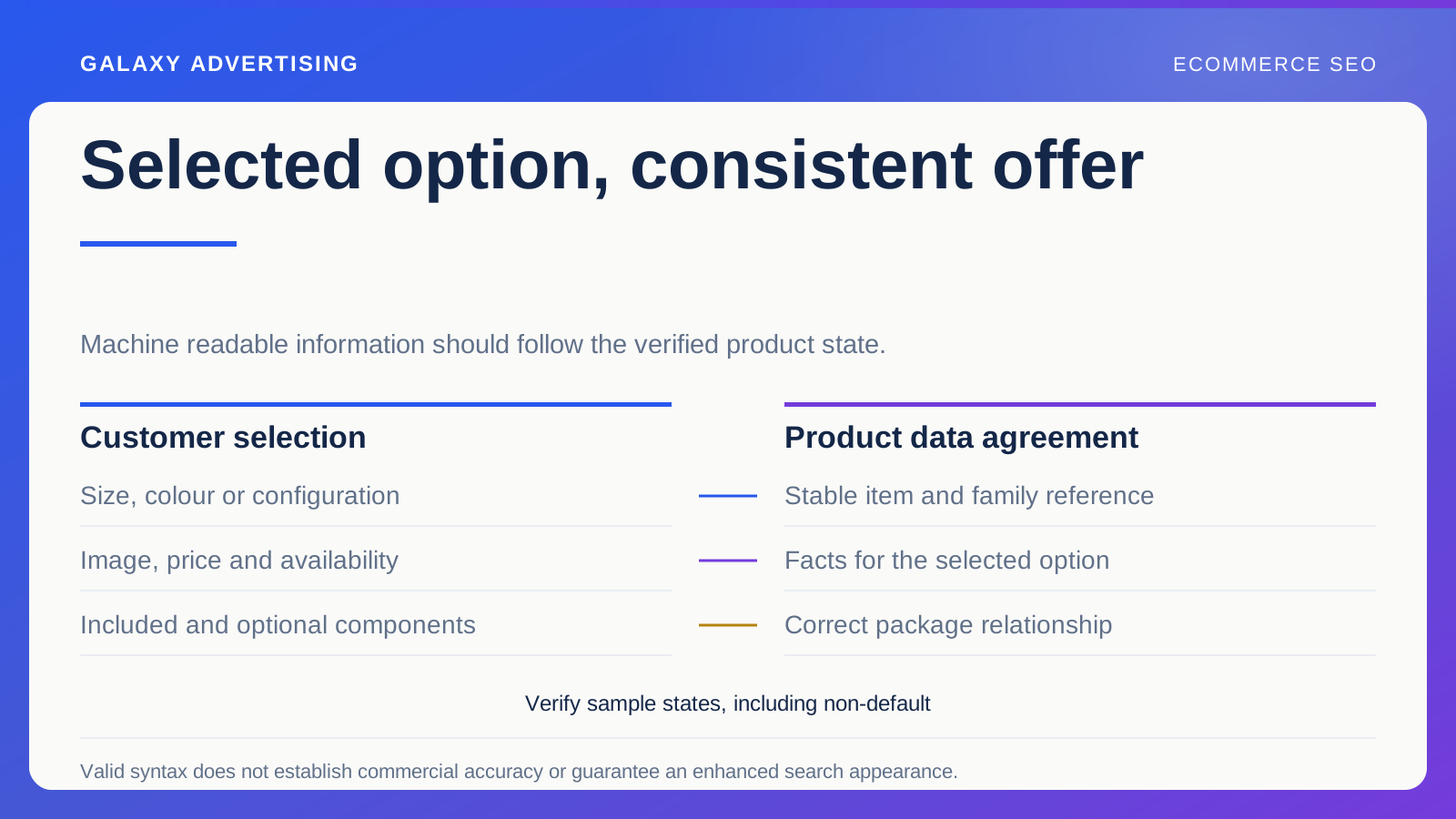
Check the facts underneath the page. Inconsistent dimensions and package contents will undermine comparison, however much category copy you add. Your priority may need a specific data correction, rather than another introductory paragraph promising to help people choose.
Find out what is stopping discovery now
Does the relevant page exist? Can someone reach it through the website, and does it communicate its role clearly? A correctable barrier could be the opportunity, rather than a need for another destination.
Ask your technical specialist to investigate significant crawl or indexing concerns, using suitable tools and current primary guidance. A page missing from one observed search result does not establish one particular technical cause.
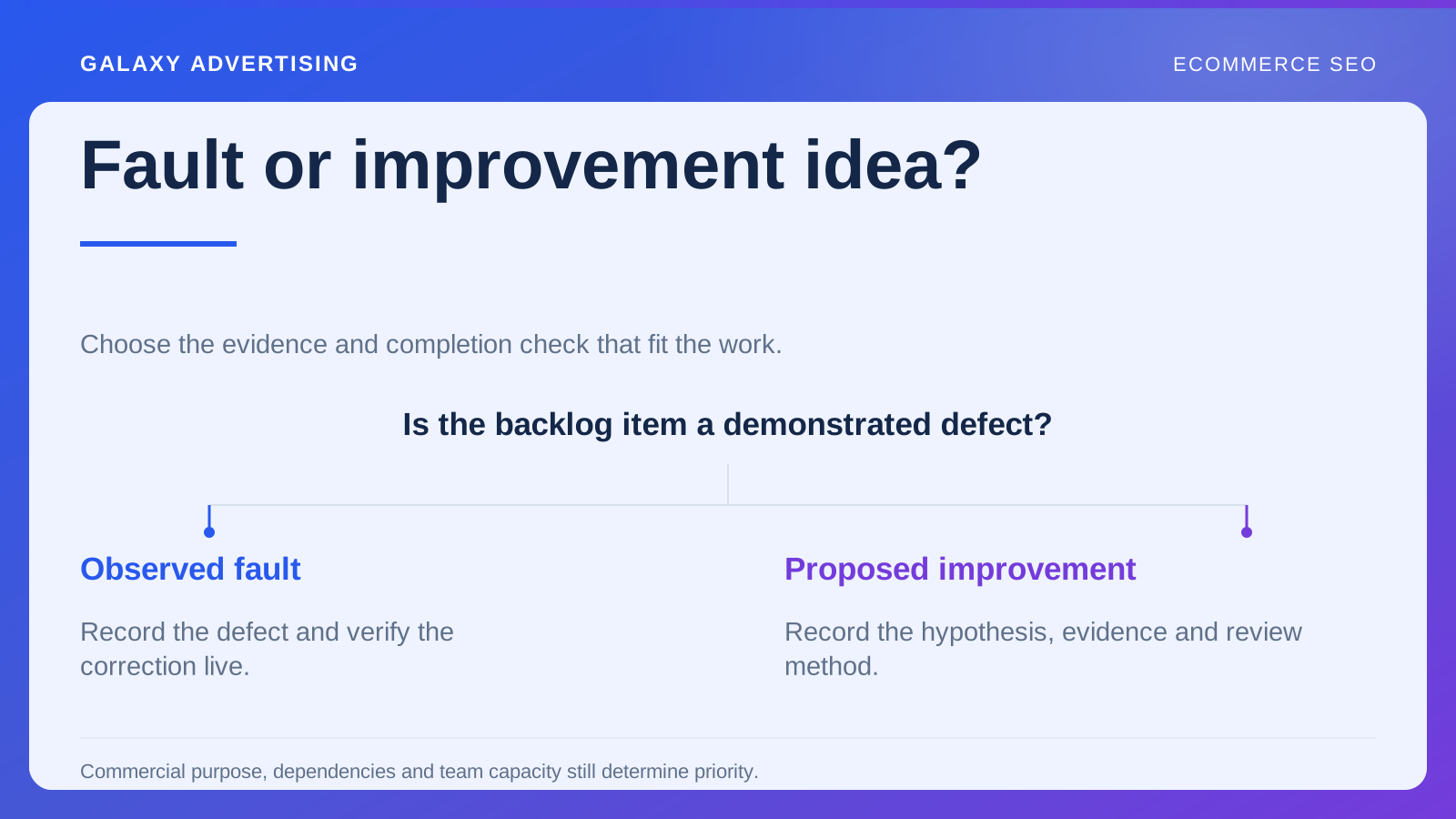
Keep findings separate from hypotheses. A broken internal link is a demonstrated defect. The belief that a revised description will improve relevant response is a proposal to evaluate. That distinction lets you fund necessary repairs without treating every recommendation as equally proven.
Weigh the money and fulfilment behind the demand
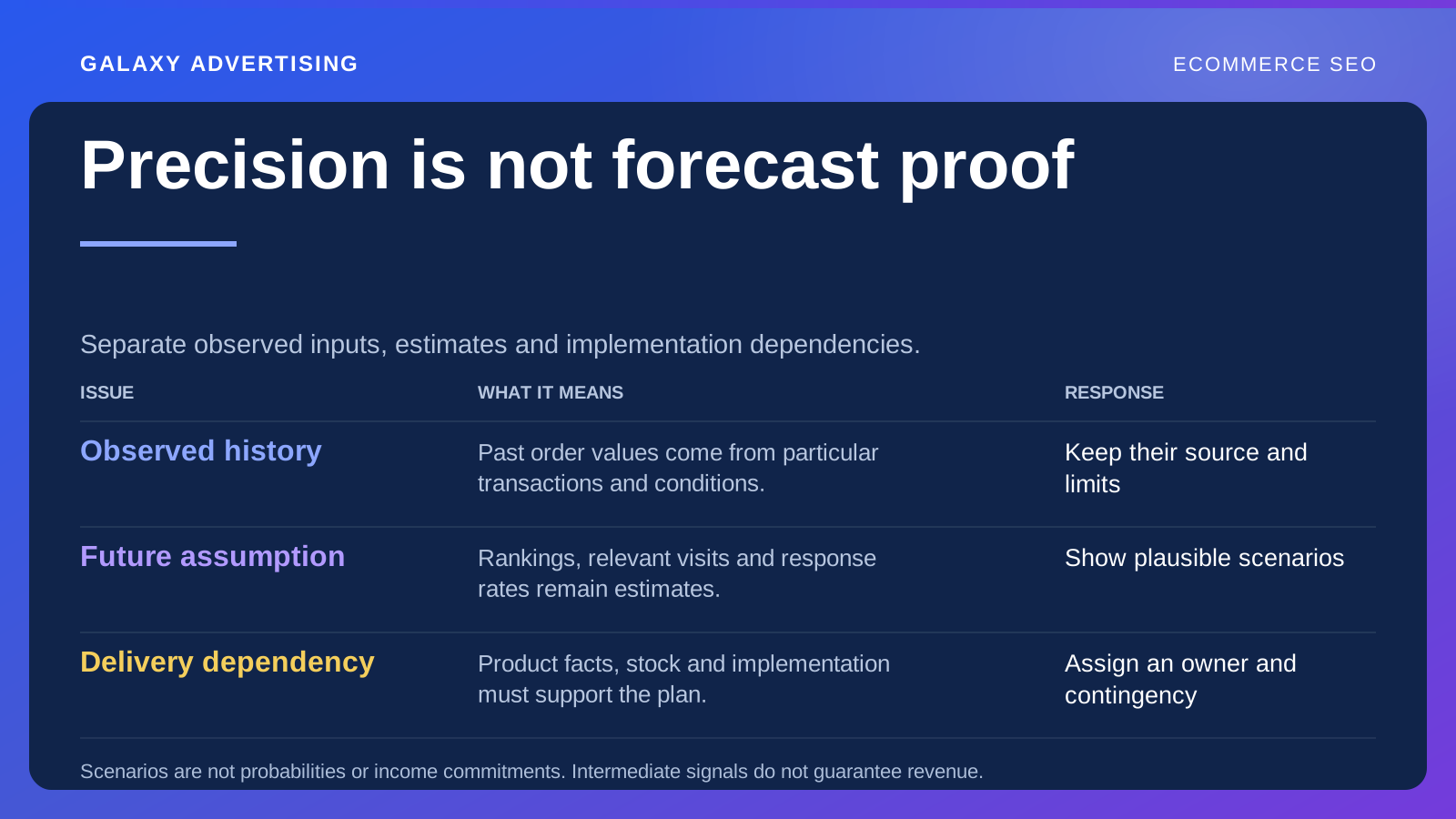
Use your agreed commercial definitions. Substantial revenue can still leave less contribution than another category after relevant product and fulfilment costs. Contribution here is the money remaining after the costs included in that calculation. The headline sales number does not settle the priority.
Avoid giving every prospective organic visit an invented monetary value. Explain how the range’s economics affect the value of suitable demand instead. If figures are incomplete, show the assumption and identify who can verify it.
Include operational suitability. Bulky delivery, complicated configuration or substantial support needs can be manageable. They still deserve a place in the decision, rather than disappearing because the search opportunity looks attractive. Somebody will have to fulfil the orders the work hopes to bring.
Cost the actual improvement, including its dependencies
List the changes required to make the category useful. Product attributes, comparison labels, navigation, explanatory content and technical implementation may all be involved. Give each responsibility an owner instead of assuming the SEO specialist can do everything.
Estimate effort against your team’s capabilities. A small content change can take time when facts need supplier confirmation. A technical repair may be straightforward for a developer who already knows the system. Labels such as “simple” are worth challenging.
Do not let speed become the only selection criterion. Important ranges can require serious preparation. The useful distinction is whether you understand that investment, or have mistaken hidden dependencies for a quick opportunity.
Pick a sequence that completes something useful
Choose work that makes a coherent improvement and lets you learn. One category could offer a repair you can complete soon, another a stronger commercial opportunity needing preparation, and a third a useful test of a different comparison approach.
Spreading little edits across every category may show activity while leaving every buying route unfinished. Completing a meaningful route can give clearer evidence than partially improving many pages whose essential information is still missing.
Write down why these categories go first and why the others wait. When stock or priorities change, you can revisit the reasoning. Revising the sequence need not turn every changed condition into a verdict that the original judgement failed.
Try a realistic interruption before committing. If your leading category loses its important configurations before implementation finishes, does the next category still have a coherent offer and an owner? The plan cannot predict every stock change. It can avoid relying entirely on an opportunity whose readiness was never checked. This also shows whether your backlog contains genuine alternatives or page names awaiting any supporting product review.
Check the live offer after the tasks are complete
Verify the category and its relevant product routes on the live site. A finished task list does not prove customers can make the intended comparison, or that corrected information reached the page. Look at the experience the work was meant to improve.
Use available search and commercial observations to assess whether it serves its role. Relevant discovery and useful product exploration provide context. Order outcomes still need the careful interpretation you use elsewhere in the business.
The first page worth improving is not automatically the one with the largest apparent audience. It is the improvement that makes a defensible contribution to your present commercial objective, with dependencies the team is ready to own. That is a more useful answer to “which three?” than volume can supply on its own.