Your customer's new bike order triggers an accessory promotion while they're still trying to find the product documents and the support included with their purchase. The offer might be attractive. It just answers a different question from the one they're asking.
Every communication needs a reason to arrive. Ownership guidance, service information and a sales offer can all be useful, but they serve different needs. A coherent sequence starts with what the buyer actually received, rather than assuming a recent bike purchase means they're ready for another item in the category.
Start with the order that was actually completed
Use the completed order and exact configuration as your reference. Before suggesting equipment as something missing from the purchase, check whether it was already included. That detail changes the relevance of your message.
Account for cancellations, exchanges and material order changes. The original checkout record can tell a different story from the eventual purchase. Your follow up should reflect the offer the customer ended up receiving, where your records establish it.
Keep the information appropriate to the agreed communication purpose and your business's permissions. You're trying to avoid an inaccurate recommendation. You don't need an unnecessarily detailed personal profile to do that. Respecting the limits of what you actually know is part of building a useful relationship, rather than filling gaps with assumptions about the buyer.
Let ownership help look like ownership help
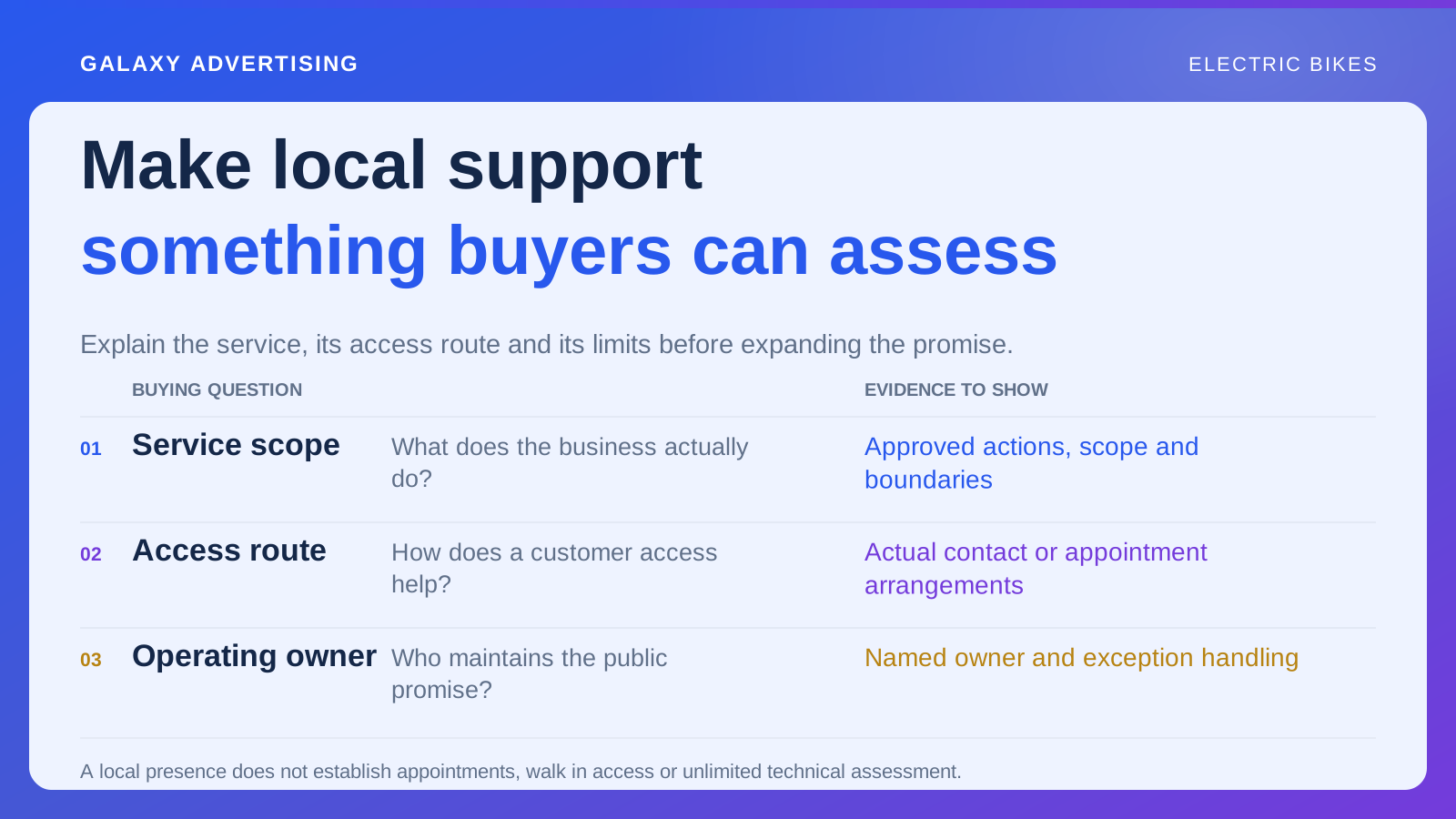
Identify messages that help someone locate manufacturer documentation, understand your assistance route or find information already supplied with the order. Make their purpose recognisable. A customer seeking help shouldn't have to work out whether that's what the message offers.
Keep essential information out of hiding inside accessory promotions. Someone looking for a relevant document shouldn't need to interpret several sales claims before reaching it. Let the immediate need lead the communication.
Don't improvise technical use or maintenance instructions in the sequence. Link to appropriate documented guidance and assistance. You can make reliable information easier to find without turning a promotional email into a substitute for manufacturer instructions or a qualified assessment. Clear access is a useful service in its own right.
Verify the reason for an accessory suggestion
Check the exact product relationship in relevant documentation before describing another item as suitable. Shared branding or a broad category label doesn't establish that a proposed arrangement meets the customer's intended use. The relationship needs something more dependable behind it.
Explain what's included and the conditions necessary to understand the offer. If you cannot verify the connection, give the customer a route to appropriate advice. Don't present the assumption as a recommendation simply because a confident sentence is easier to write.
For a hypothetical carrying accessory, identify the documented model relationship and invite the owner to inspect the details. Keep the limit visible: you don't thereby know their current setup, other purchases or personal requirements. The message can establish relevance without claiming to know the whole situation.
Choose the timing for a reason
An immediate message might help someone find information. A later product suggestion needs its own reason for arriving. Its position shouldn't depend only on a schedule copied from another product category.
Use your actual customer questions to inform timing where appropriate. If buyers commonly need a particular factual reference after delivery, improve access to it. An enquiry doesn't automatically mean the customer needs another product. Sometimes they need the information you've already promised.
Keep the sequence maintainable. A complicated schedule without a clear owner can keep sending outdated messages after the range or service changes. Fewer purposeful communications can be easier to verify and more useful than an ambitious programme whose assumptions nobody revisits. Choose a sequence your business can continue to understand.
Make the next page finish the message
Link to the document, service explanation or exact offer you've introduced. A broad category page can make the customer repeat the selection work your message seemed to have done for them. Preserve the useful connection all the way through.
Where several versions exist, make identifying information accessible. Let the owner check the relationship before committing to another purchase. Your message should help them investigate, rather than rush past the distinction that matters.
Walk the route on a phone. Check that important conditions remain connected to the item. A functioning link isn't enough if the page opens on another version or buries the relevant answer under unrelated promotions. The destination needs to serve the same purpose as the message.
Ask customer service to distinguish missing information from a question that reasonably needs individual attention. The former could justify a better message or destination. The latter may show that the assistance route is doing its job.
Treating every conversation as either a sales opportunity or an avoidable cost loses that distinction. It can lead you to remove a service customers genuinely need instead of repairing an information gap that creates unnecessary questions.
Give different purposes different reviews
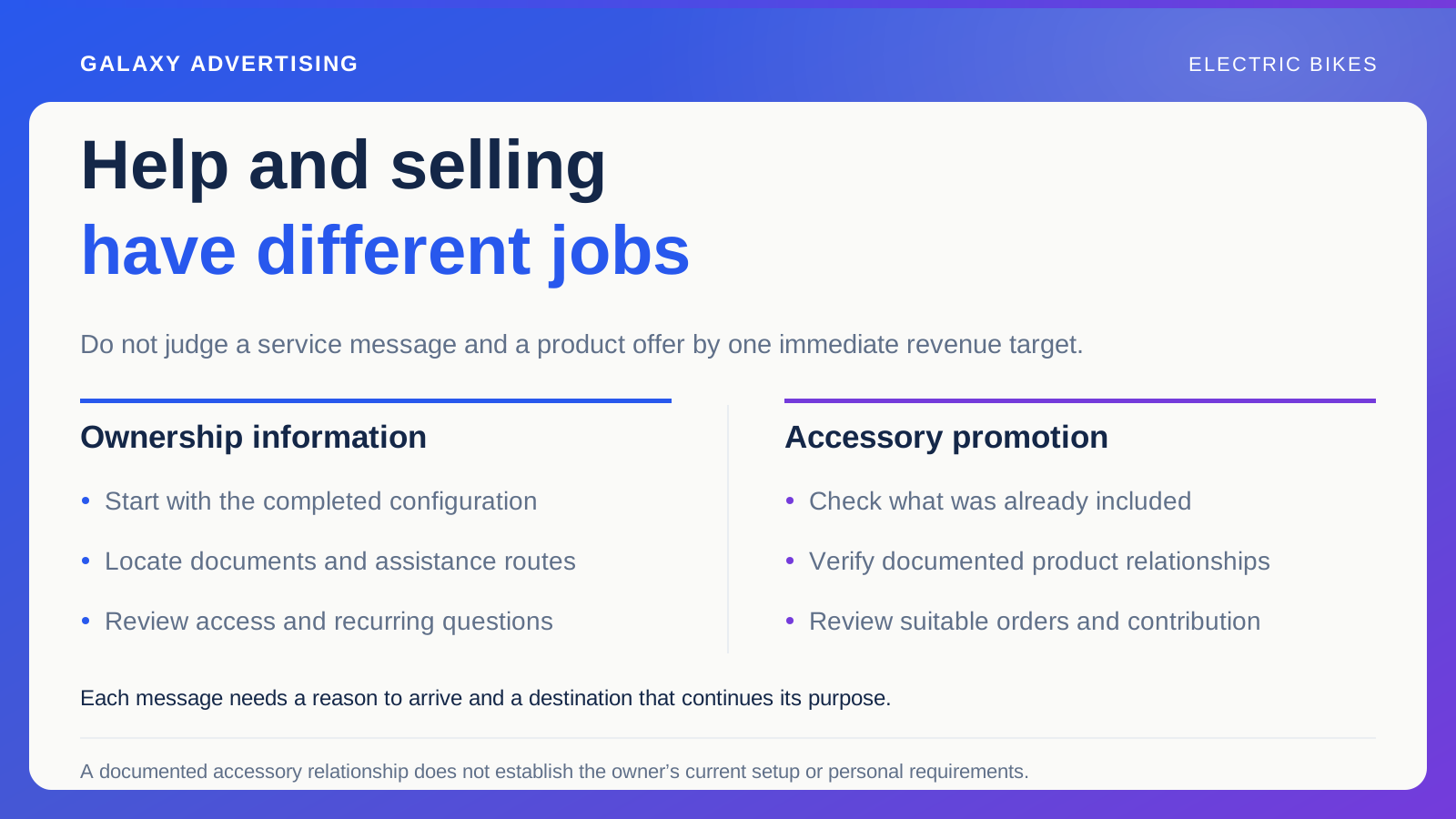
Assess ownership information through customers' ability to find the right route and whether recurring avoidable questions become clearer. Review a sales offer commercially through suitable orders and contribution on your agreed basis, meaning money remaining after the costs included in that calculation.
Don't give both jobs one immediate revenue target. A useful service message can deserve its place without selling an accessory. A promotional message can generate revenue and still confuse buyers about what they need. Both observations belong in a fair assessment.
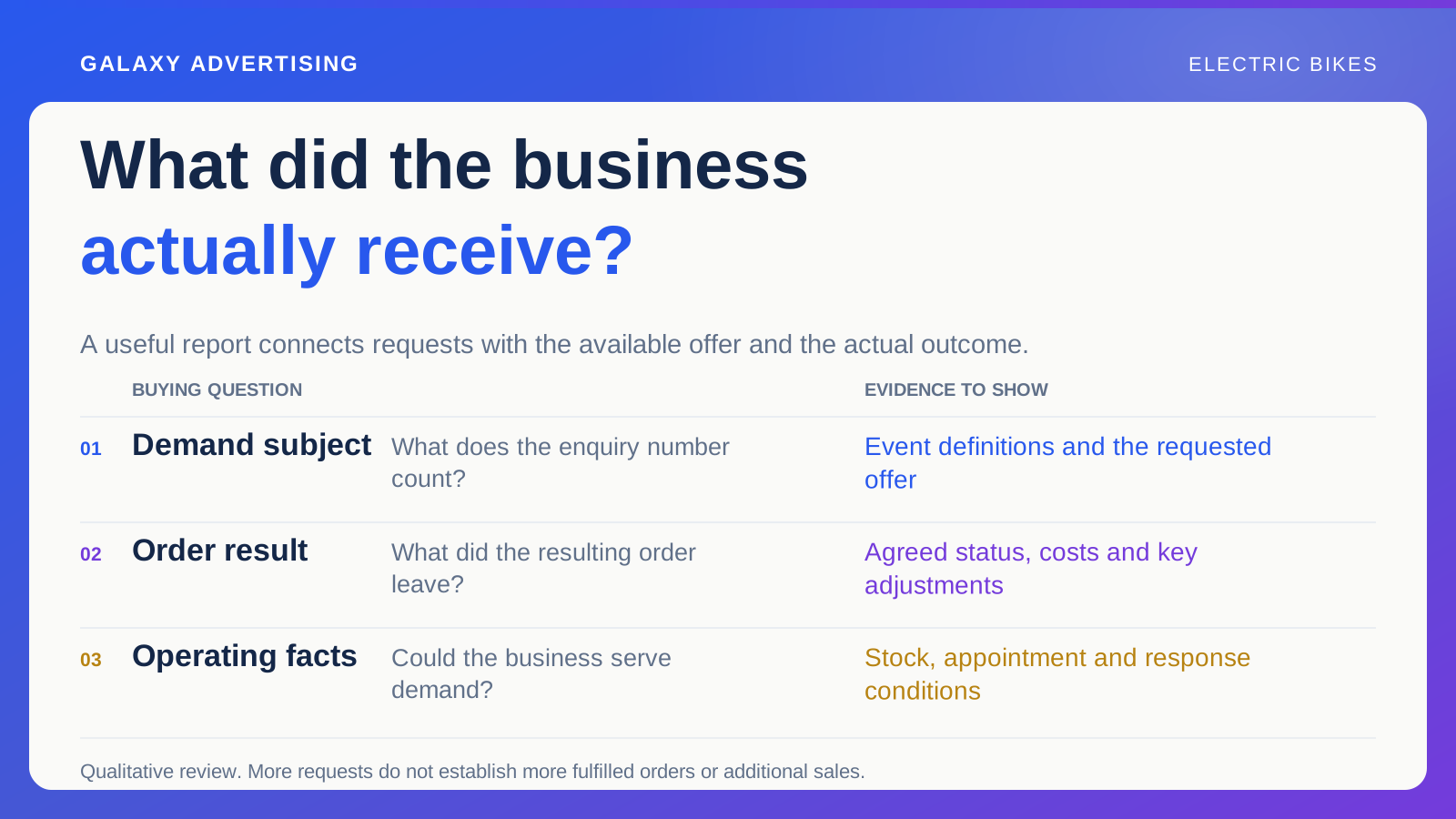
Preserve attribution limits with repeat orders. A purchase following a message doesn't prove that message created all the demand. The evidence can inform your programme without assigning it exaggerated credit for every associated sale.
Keep the programme accurate after launch
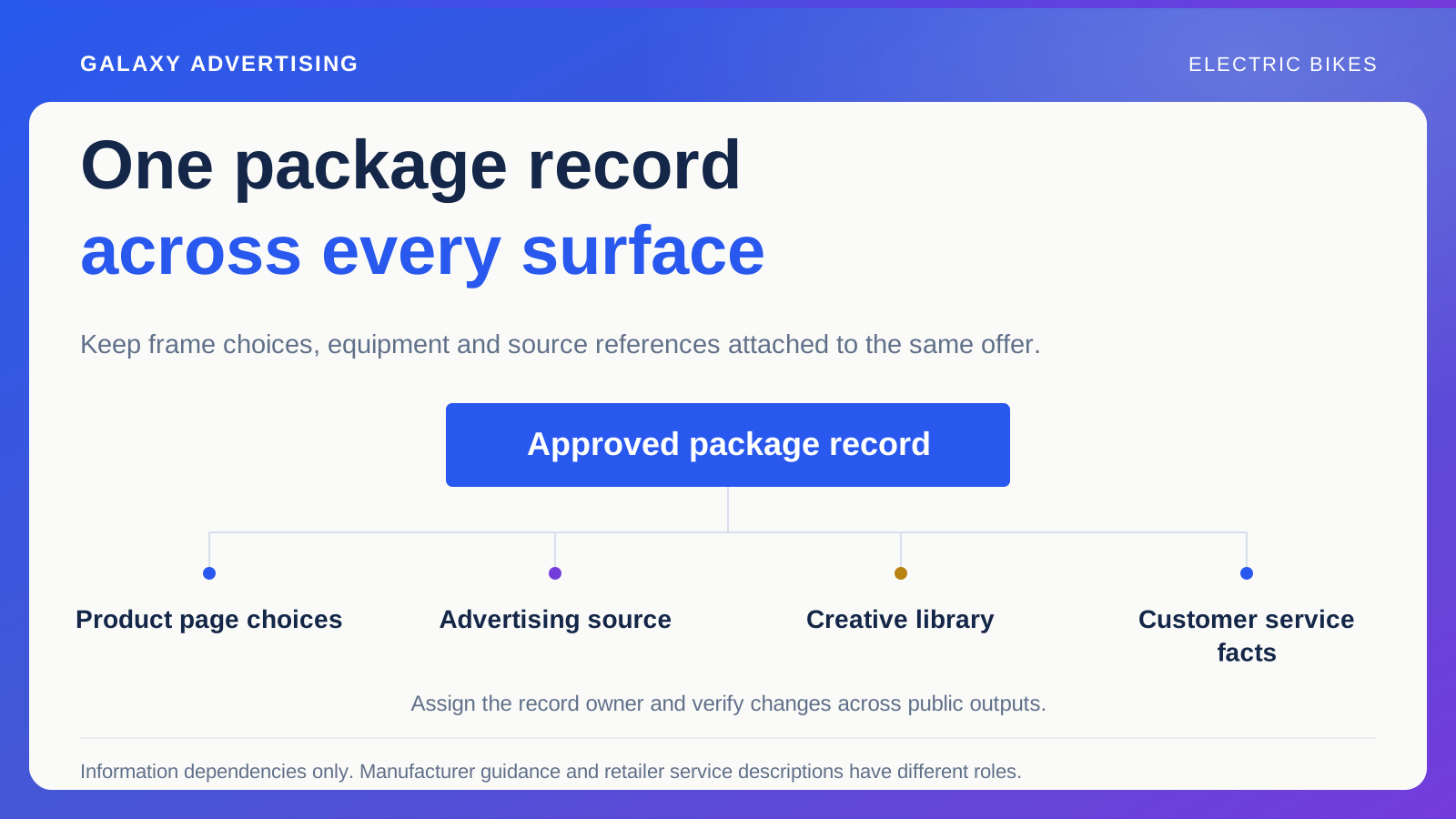
Name owners for document links, service descriptions and model relationships. Update messages when the range or your arrangements change, rather than waiting for another campaign to prompt the check.
Give customers a straightforward way to tell you the premise is wrong or the subject irrelevant. Sending a mismatched offer more often won't improve its relevance.
Remembering the actual order gives the relationship somewhere solid to begin. Make information dependable and explain the relevance of additional products, and your next message has a better reason to be welcomed than simply wanting the next purchase.