What if your advert names and demonstrates a particular speaker, then sends the shopper into a broad audio category to find it again? The product may be there. You have still thrown away useful progress the advert already made.
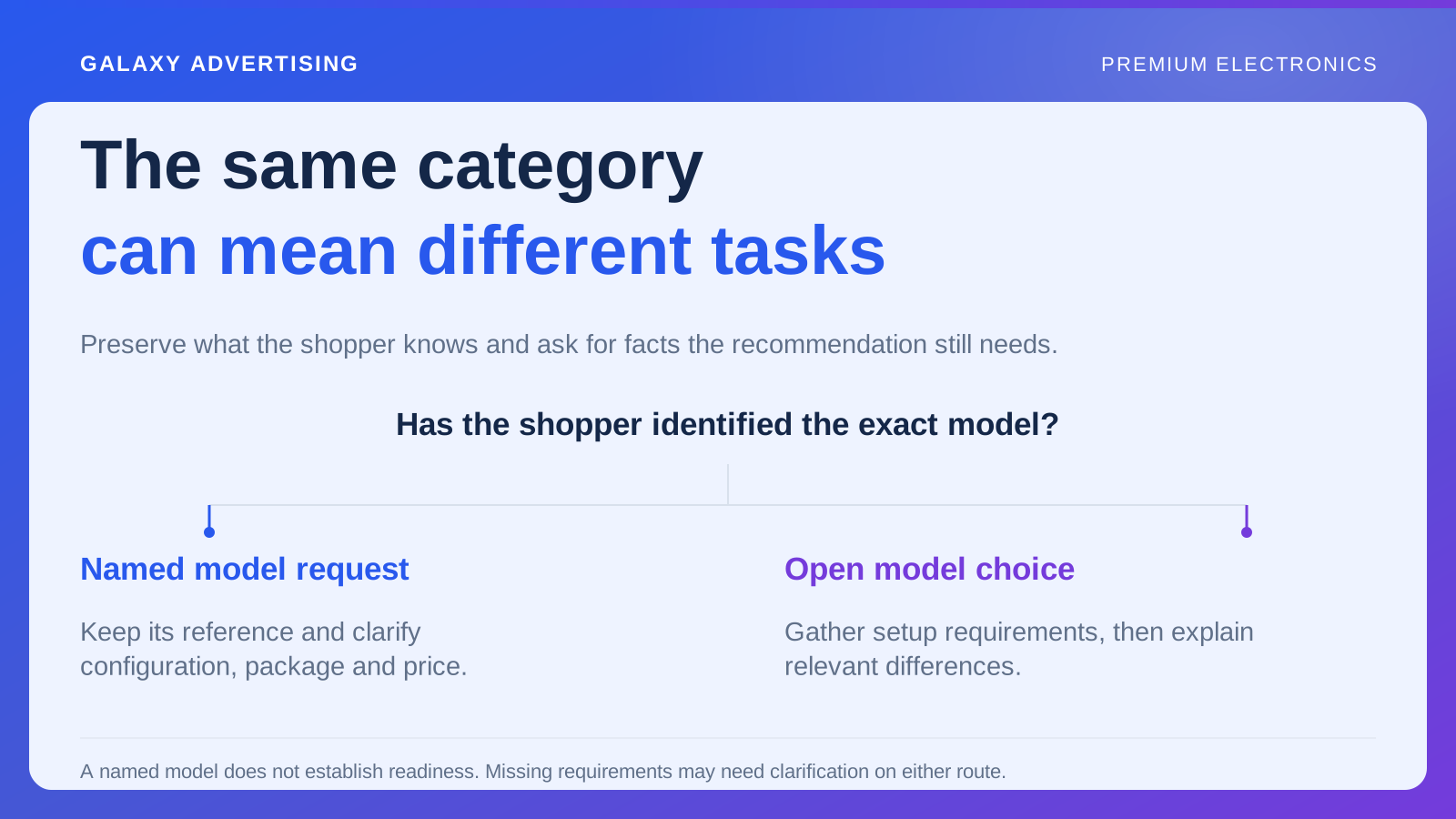
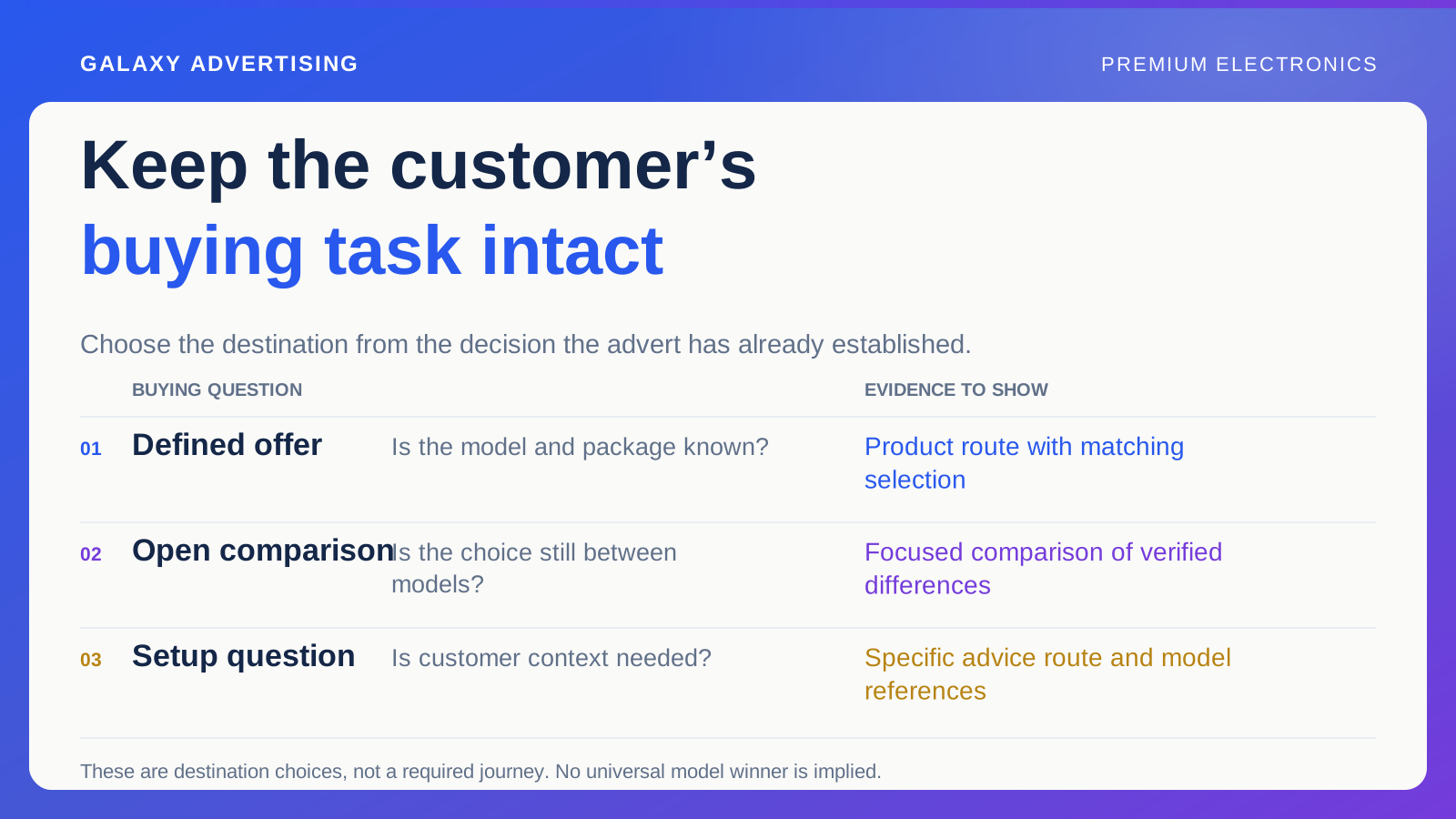
A named model, an open comparison and an unresolved setup question need different destinations. Choose the route that keeps what the customer knows and helps with what they still need to decide. Internal enthusiasm for a page is a less useful starting point.
Keep hold of what the advert has established
Record the item or problem shown, the configuration described and the next action invited. If the creative clearly identifies a product, the destination should not ask someone to rediscover it.
A category advert presents a different task. Customers still need to compare, so a single product page may be too narrow for a promise about finding a suitable option across a range.
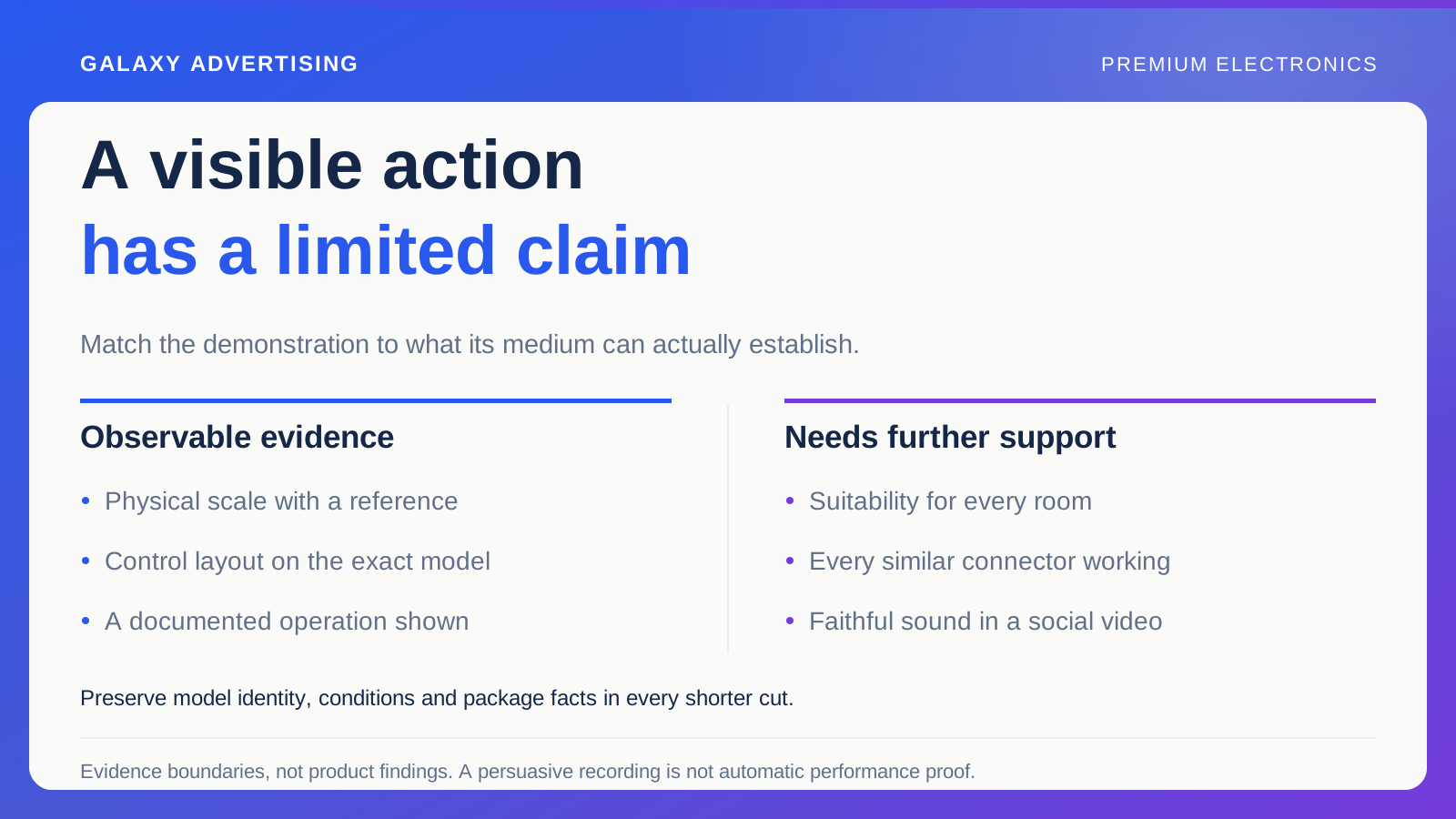
Keep the destination decision with the approved creative. Similar footage can support different arguments, and a route that fits one edit may fail another. Your team should be able to explain the connection. A rule sending every advert to the same place saves a decision without necessarily serving the shopper.
Send a defined offer to its product page
If the model and package are known, give people a direct route. Follow the link yourself and check the selected configuration, price, images and relevant availability, especially on pages with several variants, meaning selectable configurations.
Put essential identifying information near the title and selection controls. Customers should not need to decode several similar supplier references to work out whether they have reached the item in the advert.
Include the practical facts needed to assess the purchase and a route to further detail. A direct link earns its place by helping someone continue, not merely by being shorter. The page must still explain what arrives and which documented conditions matter for the intended use.
Use a comparison for a choice that is still open
A focused comparison can distinguish a small set of relevant models. Choose them according to the question your advert introduced. Putting every product you stock in one large table is not automatically more helpful.
Explain what verified differences mean for the decision. A connection, dimension or included component matters when someone understands why it could change their choice. Keep access to full model information for readers who need the detail.
Avoid declaring a universal winner. Different requirements can reasonably lead to different models. If every path through the comparison ends at the most expensive option regardless of need, you have an incomplete sales argument rather than useful guidance.
Give an unresolved setup question an advice route
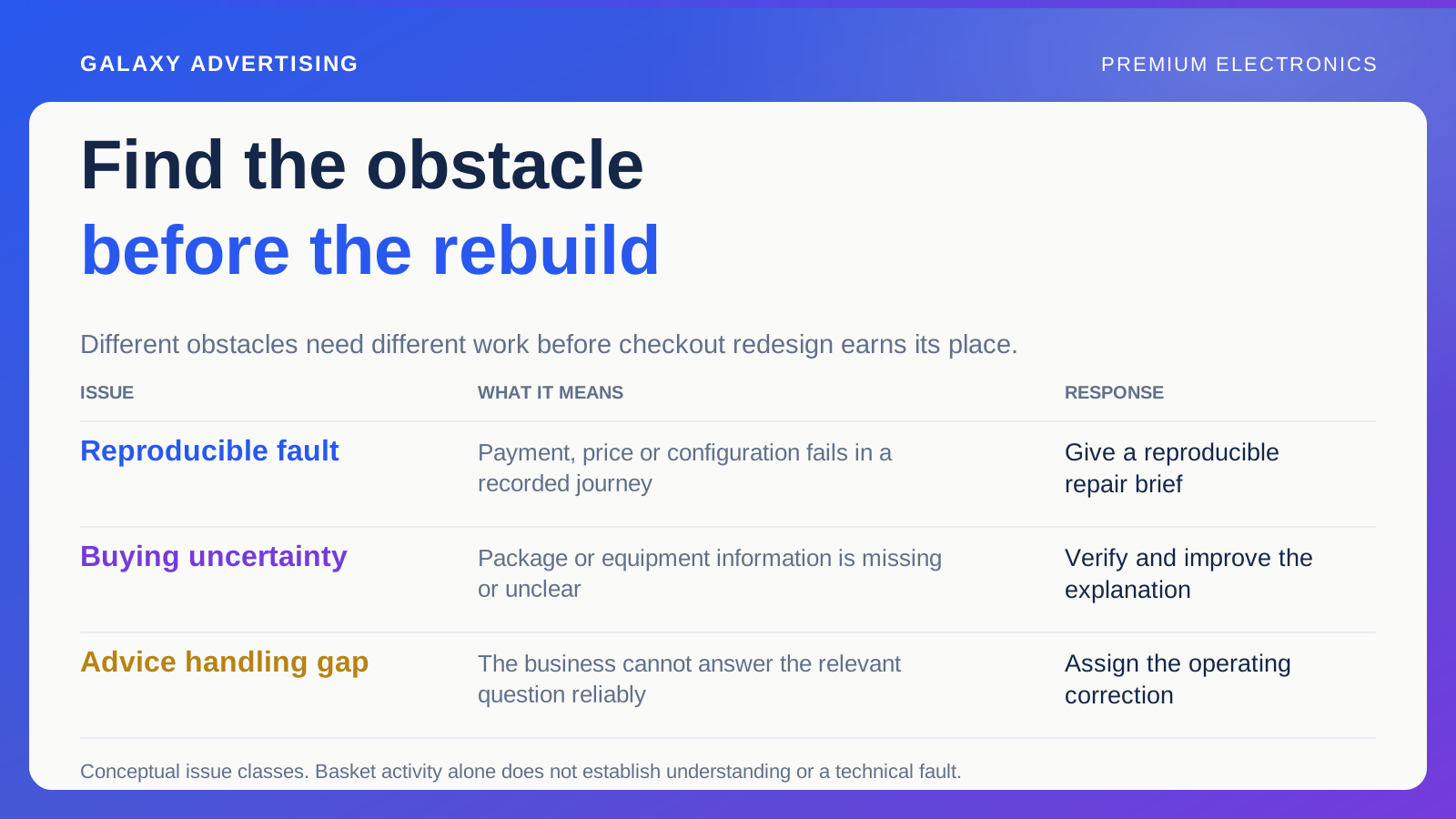
Sometimes you cannot responsibly recommend one product without knowing the customer's existing equipment or intended arrangement. An advice route can establish what needs checking before a recommendation is possible.
Make that route specific. Explain which model references or requirements will help your team answer, and what assistance is available. A generic contact page can leave someone starting the entire conversation again.
Do not withhold ordinary facts to manufacture enquiries. Answer what you can accurately answer on the page. Reserve personal help for uncertainty that depends on the individual's situation or needs further review by someone who knows the products. Advice should move the decision forward, rather than create a compulsory detour around available information.
Check the whole route on a phone
Open the destination from the campaign reference and follow the ordinary selection process. Read headings, comparison labels, configuration controls and information people need before buying.
Watch what happens to important conditions as the layout changes. A desktop table may rely on relationships between columns that become unclear when stacked. On a phone, each fact still needs to belong visibly to the correct model.
Follow the additional links as well. A helpful opening page can send someone into an unrelated category or outdated document at the next step. Destination planning concerns the decision route, not just whether the first URL successfully opens.
Prepare for unavailable and replaced models
Agree what happens when the advertised item cannot be supplied. An alternative can help, provided you identify it honestly and explain material differences. Do not quietly redirect a model specific promise to a different offer.
Give the account team a practical notification route for availability changes. The page owner and account manager need to coordinate. Otherwise each can assume the other has removed an obsolete reference while it remains in front of customers.
For replacements, consider whether a comparison or explicit status page would serve people better than a broad category redirect. That depends on your site's purpose and what shoppers still need to understand. Preserve enough context to explain why the original offer changed.
Nor should you judge destination quality only by the first page. Consulting a documented specification can be a useful step towards choosing. Ask whether that onward route keeps the relevant model clear and brings the reader back to an understandable offer.
Judge whether the route resolves the question
Use available interactions, enquiries and orders to investigate whether people can continue the intended task. Longer visits or more page movement are not the result in themselves.
A short visit followed by a suitable order can be useful. Extensive exploration might mean someone remains confused. Read those observations against the actual offer and available evidence, rather than impose a universal engagement target.
A well chosen destination respects the work your customer has already done. It keeps the named model identifiable, makes a comparison manageable or gives the setup question a credible route to an answer. That continuity gives a landing page its job. An impressive page viewed in isolation still has to earn its place in the journey.