 TikTok Ads
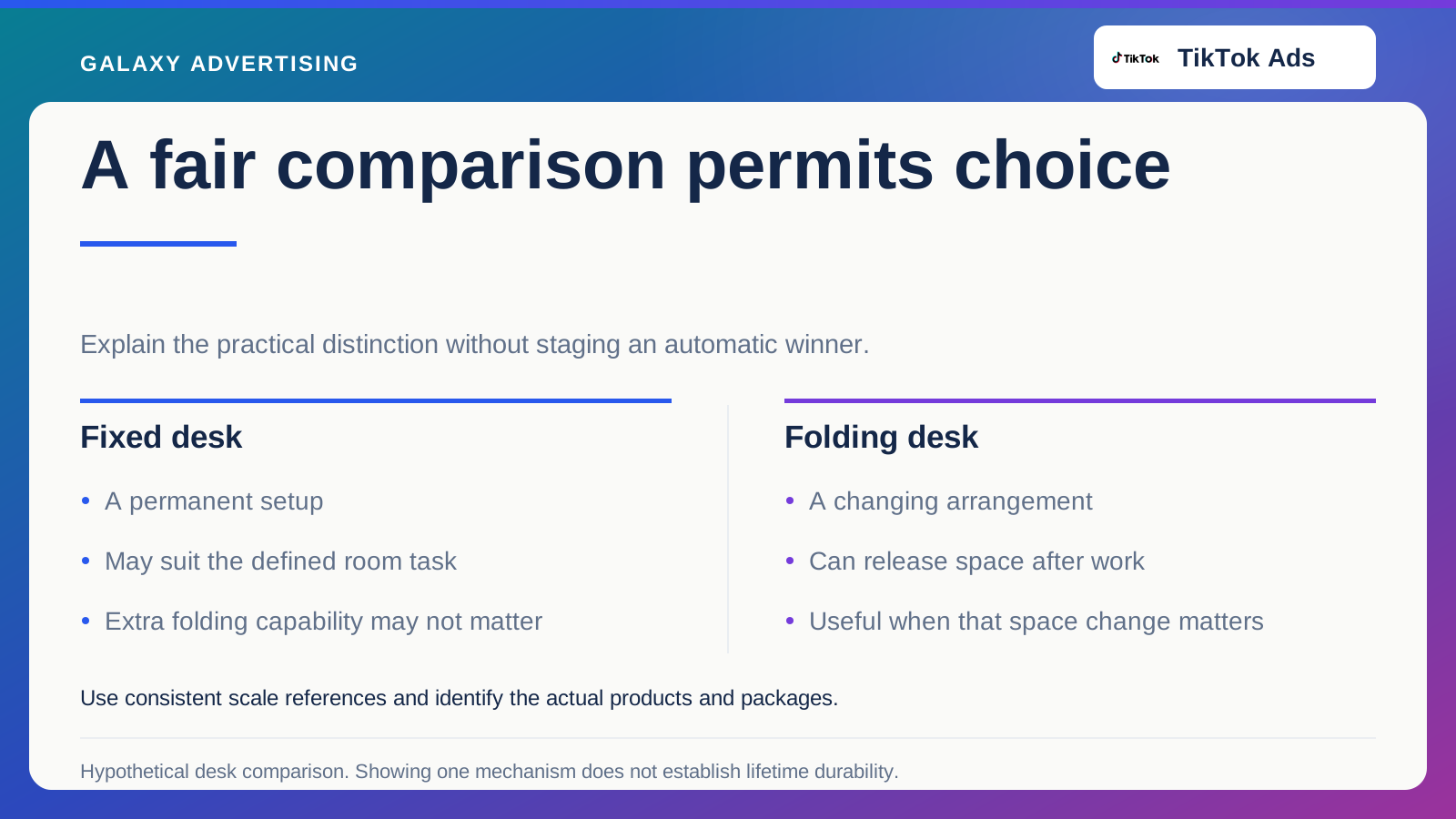
We can get so caught up in making a folding desk video engaging that we forget to show how it folds. The room looks attractive, the close views look polished and a quick transition takes the desk from open to stored. But the important buying question is still there: how does it fold, and how much space does the stored arrangement need?
That's a production problem that began before the camera was switched on. The brief left the evidence to chance.
A useful shot list translates the customer's uncertainty into something visible. It gives the creator a clear factual job while leaving room to communicate naturally.
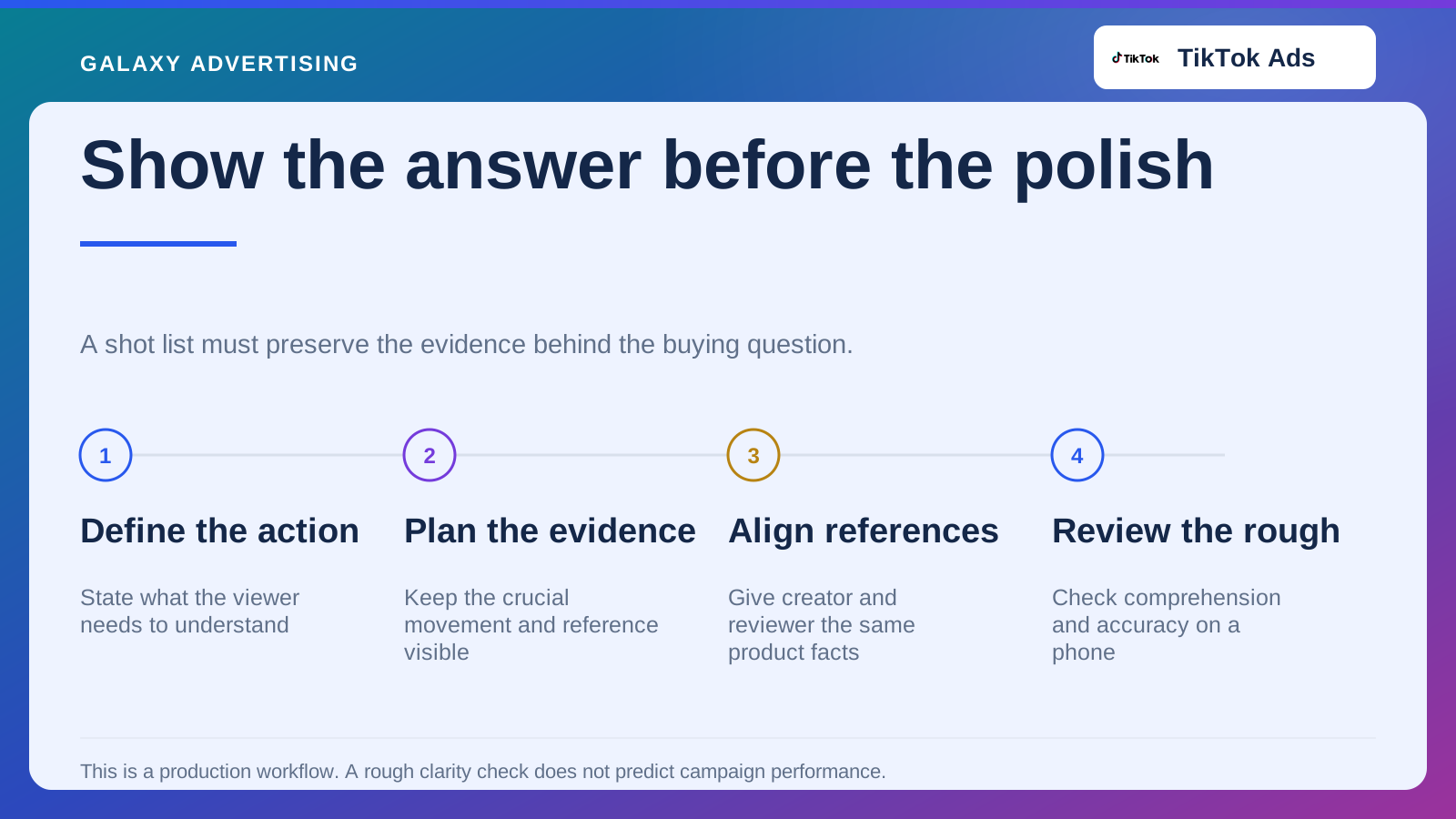
Decide which action people need to understand
Choose a practical action instead of a collection of attractive adjectives. For the folding desk, that's the transition between use and storage. Identify the model, relevant configuration and part of the transition that must remain visible. The brief should be precise enough to distinguish the action from a general impression of compactness.
Say what the viewer should know afterwards. Where do the legs move? How does the surface change position? What does the folded item look like? Those are separate observations from merely recognising a compact product. The shot list needs to preserve what answers them.
If you can't state the required understanding plainly, pause. More camera angles won't repair an unclear proposition. Settle the product question first, then choose footage capable of answering it accurately.
Separate the evidence from the atmosphere
Mark the shots essential to explaining the action. A stable view of the desk's actual folding sequence may be necessary. A room introduction and finish detail can support the story, but neither replaces the sequence people need to see.
Ask whether an edit could conceal the point. Cutting directly from open to closed can be satisfying while hiding the mechanism. A short continuous movement may provide better evidence, even if it makes a less dramatic transition. The useful shot needn't be the showiest one.
Plan other coverage deliberately. Details can clarify a control or connection; a wider view can establish proportions. Give each shot a communication job. An extensive footage library won't make up for omitting the important evidence from the shoot.
Give creator and reviewer the same references
Provide current photographs, item reference and relevant manufacturer information. Identify included components and optional accessories. The creator shouldn't have to infer the right package from similar listings. That guess can affect both the scene and what it implies.
Film the configuration the destination will offer. A prototype, discontinued finish or unavailable accessory can undermine the customer route even when the filming itself is accurate. If a substitute is necessary, agree how you'll handle the difference before recording. Don't leave the explanation to a later approval conversation.
Give the reviewer the same reference pack. Approval should compare the asset with documented facts, rather than memory. That's particularly important when editing tools change a background or introduce generated supporting material around a real product. The reviewer needs a reliable point of comparison.
Set boundaries for words and visual implications
List the facts the creator can state and the evidence behind them. Don't leave durability, suitability or performance claims to improvisation because the script needs a confident ending. Confidence in delivery doesn't verify the statement.
Inspect what the action suggests too. Unusually fast handling can imply effortless assembly. Showing one person moving the product can suggest something about weight without a caption mentioning it. Those impressions belong in the factual review alongside spoken words.
Use a realistic demonstration consistent with the documented product. If a claim depends on a particular arrangement, make that arrangement understandable. A small disclaimer shouldn't be expected to rescue a main visual that remains misleading. The overall scene needs to preserve the relevant condition.
Plan for sound, captions and the phone together
Identify what relies on speech, visible movement and text. Essential information shouldn't disappear without audio. Captions shouldn't cover the feature they're explaining either. The different parts of the explanation need to work together in the intended presentation.
Use current placement requirements from the account team when framing the action. TikTok's official creative guidance highlights vertical composition and keeping important material clear of interface elements. Check the actual intended output, rather than assuming an old template remains suitable for it.
Review the crucial moment on a phone. A control obvious on an editing monitor can be hard to distinguish in the final view. Reframing during planning is usually easier than inventing a missing close view after the product has been returned.
Check a rough sequence before adding polish
Agree an early review focused on comprehension and factual accuracy. Ask somebody unfamiliar with the filming plan to describe the action they observed. Their answer checks clarity. It doesn't predict how the advert will perform.
If the mechanism remains unclear, identify the missing view or interrupted movement. Don't immediately add text. Another shot may let people see the action directly and answer the question more usefully than another explanation laid over incomplete footage.
Keep product approval separate from decorative refinements. Colour, music and transitions can improve presentation once evidence exists. They cannot establish a fact the footage doesn't show. Review early enough that the necessary material can still be obtained, rather than discovering the omission when only polishing time remains.
Leave the next editor a usable library
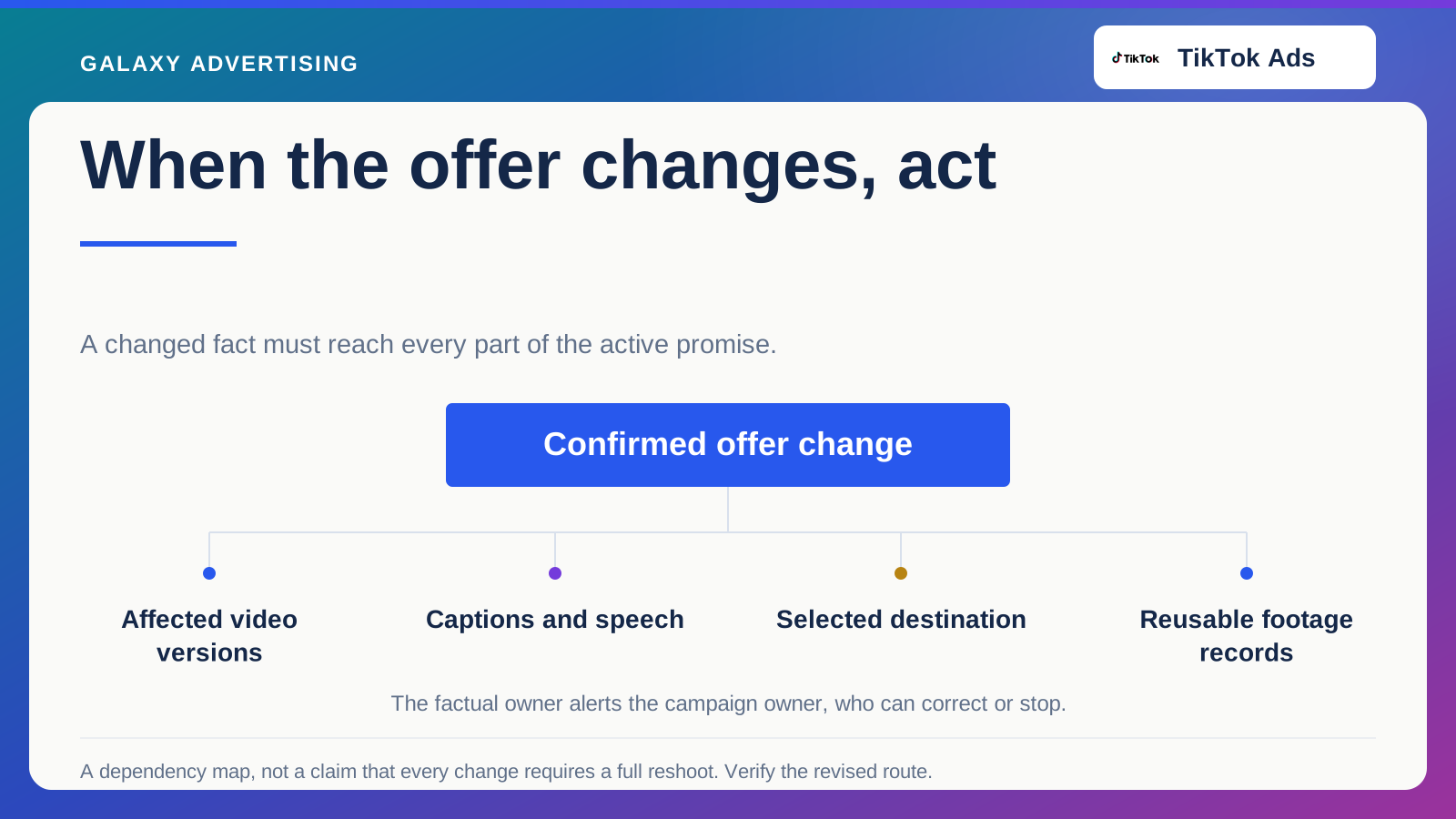
Retain the approved final version, caption and destination with source footage for legitimate adaptations. Record restrictions and who can resolve later usage questions. Another version should begin with a clear understanding of what may be used and what it represents.
Label footage by purpose as well as filename. Folding sequence, correct model is more useful than an unexplained clip number when an editor needs another opening. Keep obsolete demonstrations distinguishable from current references.
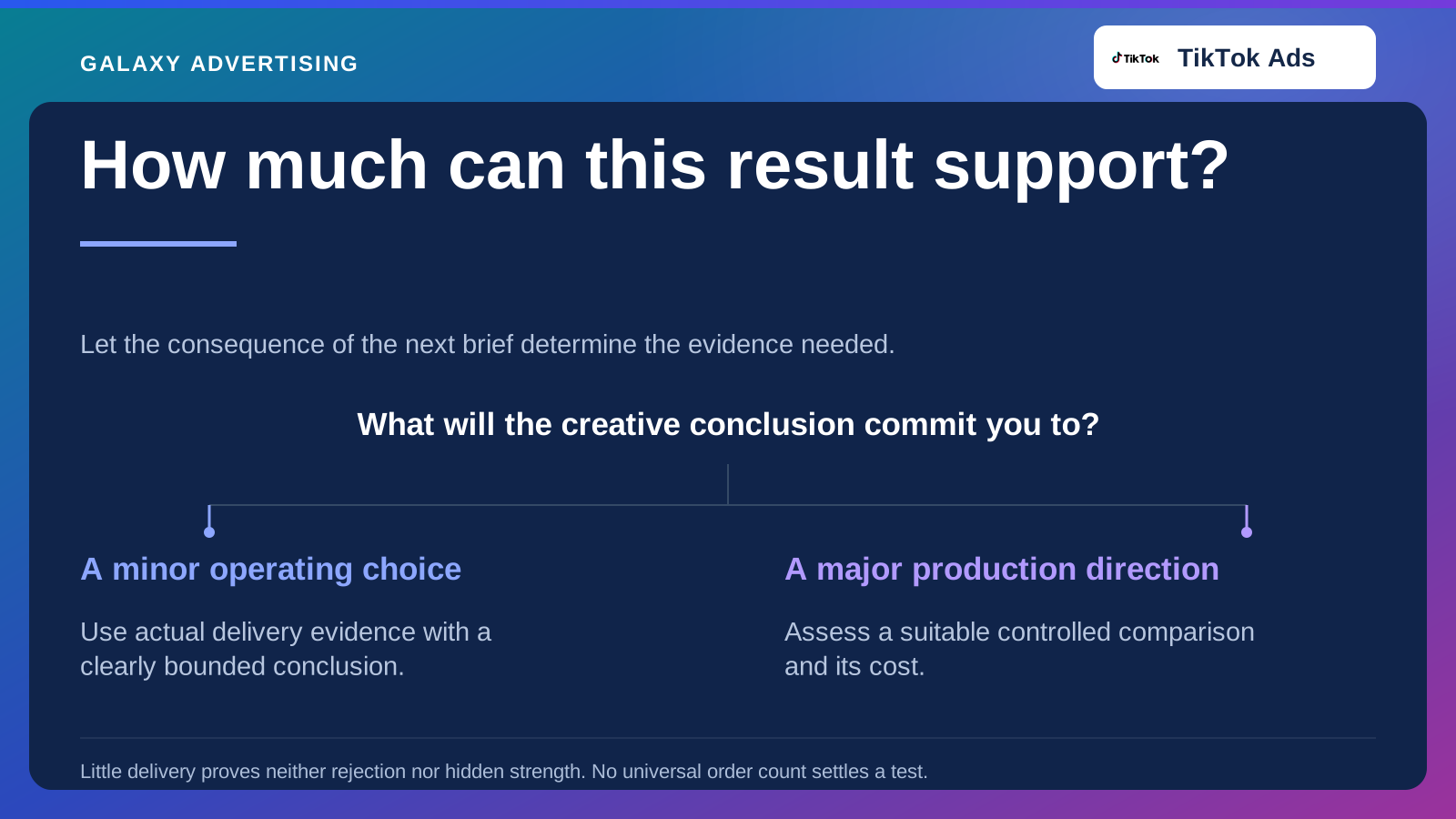
Connect campaign learning to a specific production decision. Repeated questions about stored dimensions might need a clearer scale reference. An understood but commercially irrelevant action calls for reconsidering the argument. Good planning helps you tell those conclusions apart, so another edit doesn't become the answer to every problem.